
.83¢/min Intro Offer

We Charge 60% LESS than our competitors!

All Psychics tested before hire.

category: Dream Interpretation

Dream Interpretation on many topics. Psychic Readings by phone 1-800-498-8777. Answers to love, career, and more.

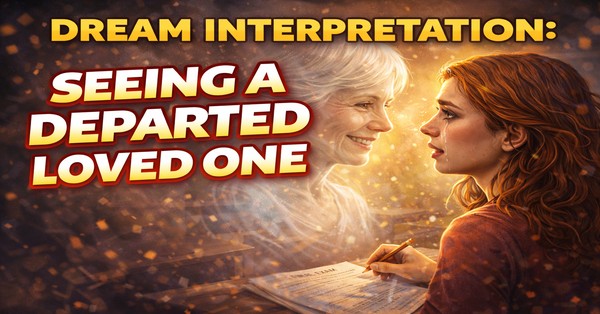
Dream Interpretation Seeing Departed Loved One

Dream Interpretation: Deceased loved ones appear alive are among the most emotionally vivid experiences people report. They often feel different from ordinary dreams, not only because of who appears, but because of the intensity and realism of the encounter. Many people say the person looks exactly as they remember them, speaks clearly, or behaves in a calm, familiar way. The emotional tone can range from comforting and peaceful to unsettling and confusing, especially if the dreamer wakes up momentarily forgetting that the person has passed away. This temporary blurring between memory and present reality is one reason these dreams linger long after waking.

Psychologically, such dreams are usually connected to the ongoing process of grief and emotional integration. Losing someone does not erase their presence from the mind; it transforms the relationship from an external one into an internal one. Memories, conversations, and emotional bonds remain active, and dreams provide a natural space for that connection to continue. Rather than indicating denial, these dreams often show that the mind is reorganizing memories and feelings so they can coexist with the knowledge of the loss. In this way, the appearance of the loved one reflects the psyche’s effort to adapt, not to reject reality.

These dreams often occur during anniversaries, birthdays, major life transitions, or periods of stress. At such times, the mind may turn toward figures who once provided reassurance, guidance, or stability. The loved one’s presence in the dream may symbolize a desire for comfort or continuity when facing uncertainty in waking life. People frequently notice that the deceased person appears calm, composed, or quietly supportive, which mirrors the dreamer’s need for emotional steadiness.

Another important aspect is unfinished emotional business. Relationships do not always end with full closure, and death can interrupt words that were never spoken—apologies, gratitude, or expressions of love. Dreams can symbolically create opportunities for these exchanges. Some people experience conversations that bring relief, while others simply feel a sense of peace by being in the loved one’s presence. Even without dialogue, the encounter can reduce emotional tension linked to what was left unresolved.

The emotional tone of the dream often reveals more than the specific events within it. Warm, peaceful encounters may suggest acceptance and integration of the loss, while tense or distant interactions can reflect lingering guilt, regret, or unresolved conflict. Confusion within the dream—such as believing the person never died—may indicate that the mind is still adjusting to the permanence of the loss. None of these responses are unusual; they simply reflect different stages of grieving and adaptation.

Ultimately, seeing deceased loved ones alive in dreams is less about literal presence and more about the mind’s way of maintaining connection while learning to live with absence. The dreams acknowledge that the relationship has changed form rather than vanished entirely. They can offer comfort, reflection, or reassurance that meaningful emotional bonds continue internally even after loss.

Dream Interpretation Being Chased

Dream Interpretation: One of the most common dreams people describe is being chased. It appears in many forms: running from a stranger, an animal, a shadowy figure, or someone familiar. The setting changes from person to person, but the emotional core is usually the same. There is urgency, fear, and a strong need to escape. These dreams often feel so real that people wake up with a racing heart and lingering unease.

Although they feel frightening, chase dreams are rarely about physical danger. Instead, they are usually about emotional or mental pressure. Psychologically, being chased represents avoidance. It reflects something a person is trying not to face in waking life. This might be a difficult decision, an uncomfortable conversation, an unresolved conflict, guilt, or a situation that feels overwhelming. When the mind does not deal with these issues directly, it turns them into symbolic stories during sleep.

The figure doing the chasing is often less important than the feeling of being pursued. Many people focus on who or what is following them, but the deeper meaning usually lies in the sense of pressure itself. The pursuer represents expectations, responsibilities, fears, or regrets that feel impossible to outrun. The dream becomes a physical expression of emotional stress.

These dreams commonly appear during periods of transition or strain. They may happen when someone is unhappy at work, stuck in an unhealthy relationship, struggling with self-doubt, or carrying emotional burdens in silence. People who are responsible and conscientious often have these dreams because they tend to push themselves forward even when they are exhausted or anxious. The dream becomes the only place where that tension is fully released.

What happens during the chase also matters. Escaping may suggest continued avoidance. Hiding can reflect denial. Freezing may point to feeling powerless. Being caught often appears when a person is close to confronting the issue they have been avoiding. In many cases, once the real-life problem is addressed, the chase dreams fade or disappear.

The brain uses movement in dreams as a metaphor for emotional states. Running, hiding, and fleeing are ways of expressing fear, pressure, and inner conflict. When someone cannot consciously say, “This situation is stressing me out,” the mind may create a story of running through unfamiliar places, trying to escape an unseen threat.

Rather than being signs of weakness, chase dreams are signs of awareness. They show that the mind recognizes something needs attention. By gently reflecting on what might be causing stress or avoidance, many people find that these dreams lose their intensity. Over time, they may be replaced by dreams that reflect greater confidence, clarity, and peace.

In this way, being chased in a dream is not a punishment. It is a message. It is an invitation to look honestly at what is being avoided and to take small steps toward resolving it. When that happens, the need to run often disappears.

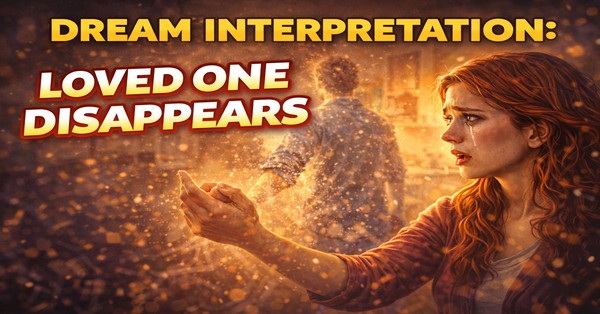
Dream Interpretation Loved One Disappears

Dream Interpretation: A loved one disappears, leaves, or slowly walks away often carry a quiet but powerful emotional charge. Unlike dramatic nightmares, these dreams can feel subdued and almost ordinary, which sometimes makes them more unsettling. The person may not argue, cry, or resist; they may simply fade from view, turn a corner, or choose to go somewhere the dreamer cannot follow. When the dreamer wakes up, the lingering feeling is usually not panic but a heavy sense of loss, confusion, or unease. The emotional impact tends to come from the realization that something important was slipping away and could not be stopped.

Psychologically, these dreams rarely predict actual loss. Instead, they reflect underlying fears of abandonment or emotional distance that may already exist in waking life. This does not always mean the relationship is in immediate danger. More often, it points to subtle shifts: a partner becoming less available, a friend growing busy, children becoming independent, or even the dreamer themselves pulling back emotionally without fully acknowledging it. The mind notices these small changes before they are consciously recognized, and dreams translate that awareness into symbolic scenes of separation.

These dreams can also appear during periods of personal change. When someone is evolving, taking on new responsibilities, or entering a different stage of life, relationships naturally adjust. The dream may represent not only fear of losing others but also anxiety about changing roles and identities. Watching someone walk away can symbolize the end of a familiar dynamic, even if the bond itself remains intact. In this sense, the dream expresses grief for what used to be rather than fear of complete disappearance.

Another layer involves emotional insecurity. People who are sensitive to rejection or who value stability in relationships may be more prone to such dreams, especially during stressful periods. If communication feels uncertain or affection seems less visible than usual, the mind may amplify that discomfort into a scene where the loved one physically leaves. The dream then becomes a metaphor for emotional distance rather than literal separation.

Interestingly, the dreamer’s reaction within the dream offers clues. If they try to call out but cannot, it may reflect difficulty expressing needs in waking life. If they watch silently, it may suggest resignation or avoidance of confrontation. If they run after the person but never catch up, it can symbolize effort being made in a relationship without feeling reciprocated. These variations highlight how the dream is less about the loved one’s behavior and more about the dreamer’s internal experience of connection and vulnerability.

Ultimately, such dreams reveal the deep importance of attachment in human psychology. They show how the mind works to protect emotional bonds by drawing attention to perceived distance or change. Rather than being warnings of future loss, they are reminders to examine current feelings about closeness, reassurance, and communication. When the dreamer addresses those feelings openly, either internally or with the loved one involved, the emotional tension that fuels the dream often softens.