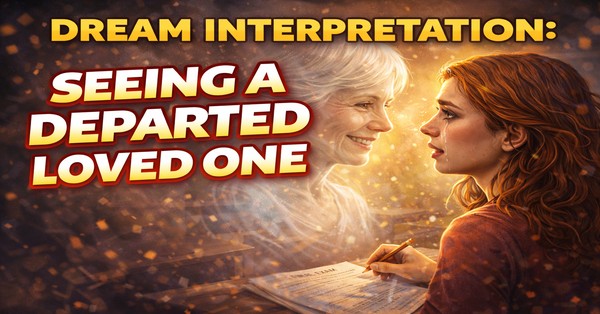
Dream Interpretation: Deceased loved ones appear alive are among the most emotionally vivid experiences people report. They often feel different from ordinary dreams, not only because of who appears, but because of the intensity and realism of the encounter. Many people say the person looks exactly as they remember them, speaks clearly, or behaves in a calm, familiar way. The emotional tone can range from comforting and peaceful to unsettling and confusing, especially if the dreamer wakes up momentarily forgetting that the person has passed away. This temporary blurring between memory and present reality is one reason these dreams linger long after waking.
Psychologically, such dreams are usually connected to the ongoing process of grief and emotional integration. Losing someone does not erase their presence from the mind; it transforms the relationship from an external one into an internal one. Memories, conversations, and emotional bonds remain active, and dreams provide a natural space for that connection to continue. Rather than indicating denial, these dreams often show that the mind is reorganizing memories and feelings so they can coexist with the knowledge of the loss. In this way, the appearance of the loved one reflects the psyche’s effort to adapt, not to reject reality.
These dreams often occur during anniversaries, birthdays, major life transitions, or periods of stress. At such times, the mind may turn toward figures who once provided reassurance, guidance, or stability. The loved one’s presence in the dream may symbolize a desire for comfort or continuity when facing uncertainty in waking life. People frequently notice that the deceased person appears calm, composed, or quietly supportive, which mirrors the dreamer’s need for emotional steadiness.
Another important aspect is unfinished emotional business. Relationships do not always end with full closure, and death can interrupt words that were never spoken—apologies, gratitude, or expressions of love. Dreams can symbolically create opportunities for these exchanges. Some people experience conversations that bring relief, while others simply feel a sense of peace by being in the loved one’s presence. Even without dialogue, the encounter can reduce emotional tension linked to what was left unresolved.
The emotional tone of the dream often reveals more than the specific events within it. Warm, peaceful encounters may suggest acceptance and integration of the loss, while tense or distant interactions can reflect lingering guilt, regret, or unresolved conflict. Confusion within the dream—such as believing the person never died—may indicate that the mind is still adjusting to the permanence of the loss. None of these responses are unusual; they simply reflect different stages of grieving and adaptation.
Ultimately, seeing deceased loved ones alive in dreams is less about literal presence and more about the mind’s way of maintaining connection while learning to live with absence. The dreams acknowledge that the relationship has changed form rather than vanished entirely. They can offer comfort, reflection, or reassurance that meaningful emotional bonds continue internally even after loss.