
83¢/min
Intro Offer
We charge 60% LESS than our competitors!
Tons of spot-on predictions in our newsletter.

category: Astrology Encyclopedia

Domal Dignity

Definition

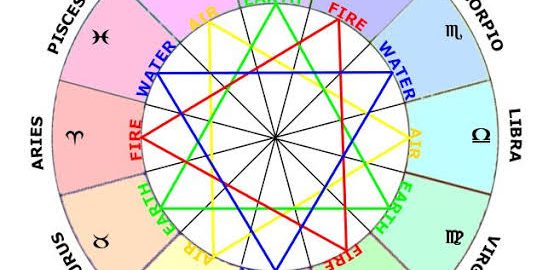
Domal dignity is an older term for domicile dignity, the condition of a planet occupying a zodiac sign it rules. Examples include Mars in Aries, Venus in Taurus, Mercury in Gemini, the Moon in Cancer, the Sun in Leo, Jupiter in Sagittarius, and Saturn in Capricorn. Traditional rulerships also give Mars to Scorpio, Venus to Libra, Mercury to Virgo, Jupiter to Pisces, and Saturn to Aquarius. Despite the word “domal,” this dignity concerns zodiac signs rather than astrological houses.

Astrological Meaning

A planet in its domicile is considered essentially dignified, meaning it can express its basic nature with relative coherence and access to its own resources. Mars in Aries, for example, may act directly and decisively, while Venus in Libra may approach relationships through balance and negotiation. Dignity does not automatically make a planet beneficial or promise easy outcomes. Its condition is modified by house placement, aspects, motion, sect, combustion, and the wider context of the chart.

Why It Matters

Domal dignity helps astrologers judge planetary strength and capacity before interpreting specific events or personality themes. It can show where a planet operates with greater autonomy, but that strength still needs constructive direction. Comparing domicile with exaltation, detriment, and fall provides a clearer picture of how comfortably a planet functions. In natal, horary, and electional astrology, this assessment can refine interpretation without reducing the chart to a single score or verdict.

Related Encyclopedia Entries

Light, Velocity of

Definition

The velocity of light is the speed at which light travels through a vacuum: exactly 299,792,458 metres per second, or about 186,282 miles per second. Because this speed is finite, observers see celestial bodies as they were when their light began its journey. Moonlight takes roughly 1.3 seconds to reach Earth, while sunlight takes about eight minutes and twenty seconds.

Astrological Meaning

In astrology, the velocity of light is primarily an astronomical and computational consideration rather than a chart factor with its own symbolic meaning. Accurate ephemerides may account for light-travel time, aberration, and related observational effects when calculating apparent planetary positions. Most astrologers rely on software or published tables in which the relevant corrections have already been applied. Traditional astrologers did not know the modern measured value, although their systems carefully distinguished visible phenomena, planetary motion, and celestial cycles. Symbolic references to light—such as illumination, visibility, or the luminaries—should not be confused with its physical velocity.

Why It Matters

Understanding light’s finite speed helps clarify that a horoscope is based on calculated or observed celestial positions rather than an instantaneous view of the solar system. It also explains why different astronomical coordinates may be described as apparent, true, geometric, or corrected. For ordinary natal interpretation, astrologers generally do not interpret light velocity separately; its importance lies in the precision and definitions behind chart calculations. Knowing this distinction can prevent technical astronomy from being assigned unsupported symbolic significance.

Related Encyclopedia Entries

Light Planets

Definition

Light Planets is an uncommon term for the two luminaries, the Sun and Moon. Although neither is scientifically a planet, astrology traditionally groups them with the planets as moving celestial bodies used in chart interpretation. They are also called the Lights, with the Sun known as the greater light and the Moon as the lesser light.

Astrological Meaning

The Sun generally symbolizes vitality, purpose, identity, and the conscious direction of life. The Moon is associated with emotional responses, habits, memory, security, and instinctive needs. Their zodiac signs, houses, aspects, and overall condition help describe how these complementary functions operate. Traditional astrologers may also assess whether a luminary is above or below the horizon, placed in a day or night chart, supported by benefic planets, or challenged by difficult aspects. Neither light should be interpreted in isolation from the rest of the natal chart.

Why It Matters

The Lights are central reference points in many astrological traditions. Reading them together can clarify the relationship between deliberate self-expression and private emotional experience. Harmony between the Sun and Moon may suggest that these drives cooperate readily, while tension can indicate differing priorities that require awareness and integration rather than a fixed negative outcome.

Related Encyclopedia Entries

Light of time

Definition

Light of time is a traditional astrological term for the luminary associated with the chart’s sect. In a daytime chart, cast while the Sun is above the horizon, the Sun is the light of time. In a nighttime chart, with the Sun below the horizon, the Moon holds this role. It is also called the luminary of the time or sect light.

Astrological Meaning

The light of time helps establish whether a horoscope belongs to the diurnal or nocturnal sect. This distinction shapes how traditional astrologers assess the Sun, Moon, planets, and certain calculated points. The Sun’s role is emphasized in a day chart, while the Moon becomes more central in a night chart. Some classical methods also consider the light of time when identifying a chart’s principal life-giving significator or when calculating lots, although procedures differ among traditions. The term does not mean that the other luminary becomes unimportant; both remain essential, but they operate within different sect conditions.

Why It Matters

Recognizing the light of time provides a foundation for traditional chart interpretation. It can clarify planetary condition, support more precise use of sect, and prevent day and night charts from being judged by identical rules. Because historical authors applied the concept in varied ways, it is best interpreted alongside the chart’s angles, luminaries, planetary rulers, and the specific technique being used.

Related Encyclopedia Entries

Light, Collector of

Definition

A collector of light is a planet that receives applying aspects from two other planets, usually the principal significators in a horary question. The two significators may lack a direct applying aspect to each other. The collecting planet is typically slower than both and symbolically gathers their influence, creating an indirect connection between them.

Astrological Meaning

In traditional horary astrology, collection of light can describe a third party, institution, circumstance, or shared objective that brings two sides together. The collector’s condition is essential: its dignity, house position, receptions, aspects, and ability to act help show whether it can support the matter. A strong, well-placed collector may indicate effective mediation or coordination, while a weakened or obstructed planet may suggest delays, limited authority, or an unreliable intermediary. Collection differs from translation of light, in which a faster planet separates from one significator and applies to another; here, both relevant planets apply to the slower collector.

Why It Matters

Recognizing a collector of light helps an astrologer identify possible resolution even when the main significators do not connect directly. It adds nuance by showing who or what may unite separate interests. The configuration should not be treated as an automatic promise of success: reception, planetary strength, prohibitions, and the wider chart determine whether the collected light can meaningfully perfect the matter.

Related Encyclopedia Entries

Light

Definition

In classical astrology, light refers both to the illuminating power of the Sun and Moon—the two luminaries—and to the influence planets exchange through aspects. Traditional astrologers may describe a planet as casting rays, receiving light, transferring light, or collecting light. The term therefore connects visibility, planetary relationship, and the transmission of influence within a chart.

Astrological Meaning

The Sun and Moon are primary sources of light, while the other traditional planets were understood to reflect or participate in it. A planet receiving a supportive aspect from a luminary or benefic may gain emphasis or assistance, depending on its condition and house placement. In horary astrology, transfer of light occurs when a faster planet separates from one planet and applies to another, potentially linking matters that do not directly aspect each other. Collection of light occurs when two planets apply to a slower third planet, which may act as an intermediary. These techniques must be judged alongside dignity, reception, speed, combustion, and the exact aspects involved.

Why It Matters

Understanding light helps clarify how traditional astrology describes connection and agency. It shows not only which planets are prominent, but also how their significations may be carried, joined, supported, or obstructed. Because the term has several related uses, interpreting it in context prevents confusion and adds precision to natal, horary, and electional chart analysis.

Related Encyclopedia Entries

