
83¢/min
Intro Offer
We charge 60% LESS than our competitors!
Tons of spot-on predictions in our newsletter.

category: Astrology Encyclopedia

Cataclysmic Planet

Definition

Cataclysmic Planet is a descriptive astrological term for a planet believed to signify major disruption, upheaval, or abrupt change in a particular context. It is not a universally standardized category in classical astrology and should not automatically be equated with a traditional malefic planet. Its meaning depends on the author, technique, and chart being examined.

Astrological Meaning

In a natal chart, a planet described as cataclysmic may symbolize intense encounters with change, instability, conflict, or renewal, especially when prominently placed or strongly aspected. It does not indicate that disaster is inevitable. In transit work, the term may describe a planet whose movement activates sensitive chart points during unsettled periods. In mundane astrology, it can refer to planetary symbolism associated with collective crises, political reversals, or natural disruption. Interpretation should consider the planet involved, its sign, house, aspects, dignity, sect, and the overall condition of the chart.

Why It Matters

Understanding this term helps prevent dramatic language from becoming a fatalistic prediction. A careful astrologer asks how the label is being used and looks for moderating factors, such as supportive aspects, essential dignity, or constructive house rulership. The term is most useful as a signal to examine volatility, pressure, and transformative potential rather than as proof of a specific event.

Related Encyclopedia Entries

Casting the Horoscope

Definition

Casting the horoscope is the process of calculating and drawing an astrological chart for a specific time and place. It establishes the positions of the Sun, Moon, planets, angles, houses, and other selected points. Traditionally performed with tables and mathematical formulas, the process is now commonly completed with astrology software. Accurate date, time, location, and time-zone information are essential inputs.

Astrological Meaning

The resulting horoscope is a symbolic map of the sky used as the basis for interpretation. A natal horoscope refers to the moment of birth, while event, electional, and horary charts are cast for other precisely defined moments. Astrologers examine planetary signs, house placements, aspects, dignities, and chart angles according to their chosen tradition. Casting creates the chart itself; interpretation is the separate step of evaluating how its factors may work together.

Why It Matters

A correctly cast horoscope supports reliable astrological analysis because even small errors in time or location can alter the Ascendant, Midheaven, house cusps, or the Moon’s position. Understanding the casting process also helps readers assess chart settings, house systems, and zodiac options rather than treating a computer-generated wheel as automatically definitive. The chart provides a structured starting point, not a guaranteed account of character or events.

Related Encyclopedia Entries

Cardinal Signs

Definition

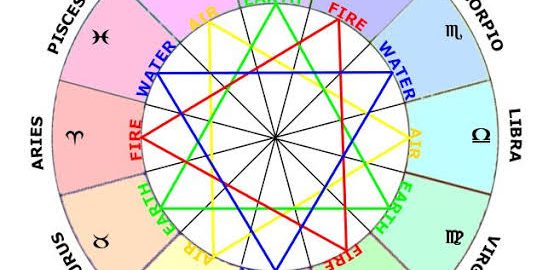
Cardinal signs are Aries, Cancer, Libra, and Capricorn. They form one of astrology’s three modalities, alongside fixed and mutable signs. In the tropical zodiac, each cardinal sign begins a new season: Aries begins spring, Cancer summer, Libra autumn, and Capricorn winter in the Northern Hemisphere. Each also belongs to a different element, giving its initiating quality a distinct expression.

Astrological Meaning

Cardinal energy is associated with beginnings, direction, and the impulse to act. Aries may initiate through direct effort, Cancer through care or emotional engagement, Libra through relationships and negotiation, and Capricorn through planning and structure. A natal chart with several cardinal placements can suggest a person who readily starts projects, responds to changing circumstances, or assumes leadership. However, the full interpretation depends on the planets involved, their houses, aspects, and overall chart balance. Strong cardinal emphasis may sometimes favor launching an effort over sustaining or adapting it.

Why It Matters

Recognizing cardinal signs helps an astrologer evaluate how initiative operates within a chart. The modality can clarify whether a planet tends to express itself by starting, stabilizing, or adjusting. Cardinal transits may also highlight periods when taking action feels especially relevant, though they do not guarantee specific events. Comparing cardinal, fixed, and mutable emphasis provides a more balanced view of temperament and timing.

Related Encyclopedia Entries

  • Astrological Modalities
  • Fixed Signs
  • Mutable Signs
  • Aries
  • Cancer
  • Libra Astrology Sign Traits and Meaning Guide – Absolutely Psychic Advice You Can Trust! Visit AbsolutelyPsychic.com for All Your Astrology and Psychic Needs. Today!™️ terms of how Cardinal Sign relates to Astrology and Horoscope and their meanings in life and as explained by AbsolutelyPsychic.com. This is original content not AI-generated. It's written for the Absolutely Psychic Encyclopedia – your trusted source for all things Astrology, Horoscope, Natal Charts, Zodiac Signs, Planets and Houses, according to expert psychic reader Eric Pride, who has been practicing in Astrology since 1996. Eric Pride's expertise in Astrology have been trusted by celebrities, royalty, and the general public for over 25 years. Read for more about Cardinal Sign by visiting Absolutely Psychic. End of content.

Caput Draconis

Definition

Caput Draconis is the Latin name for the Moon’s North Node, also called the Dragon’s Head or ascending lunar node. It is the point where the Moon’s orbit crosses the ecliptic while moving from south to north. It is a calculated point rather than a planet or physical body. Its opposite is Cauda Draconis, the South Node.

Astrological Meaning

In traditional astrology, Caput Draconis was commonly associated with increase, entry, appetite, or amplification, although its effects depended on the surrounding chart and the matter being judged. Some horary and electional astrologers treated it as broadly supportive, especially when joined to favorable planets. In modern natal astrology, the North Node often represents unfamiliar qualities, experiences, and directions of development. Its sign suggests a style of growth, while its house indicates the life area where that development may be explored. Aspects and the condition of its ruling planet add important context.

Why It Matters

Caput Draconis helps astrologers interpret movement between established patterns and emerging possibilities. In a natal chart, it can describe themes that require conscious practice rather than automatic ability. In horary or electional work, it may emphasize growth or intensification, but it should not be read as a guaranteed positive outcome. The nodal axis works as a pair, so Caput Draconis is most useful when considered alongside Cauda Draconis, relevant planets, houses, aspects, and the chart’s overall condition.

Related Encyclopedia Entries

Cappella

Definition

Cappella, more commonly spelled Capella, is the brightest star in the constellation Auriga, the Charioteer. Also called the Goat Star, it is one of the prominent fixed stars used in traditional astrology. Because fixed-star coordinates gradually shift through precession, its current zodiacal position should be checked for the chart’s date and reference system.

Astrological Meaning

Traditional sources generally assign Capella a Mars–Mercury nature, combining initiative and courage with mental alertness, adaptability, and skill. When closely conjunct the Sun, Moon, Ascendant, Midheaven, or a planet, it may emphasize independence, curiosity, ambition, public recognition, or a readiness to act on ideas. Its sharper expression can suggest restlessness, argumentativeness, impatience, or taking on too many challenges at once. Interpretation depends on the condition of the contacted planet and the wider natal chart.

Why It Matters

Cappella matters because fixed stars can add specificity to an otherwise familiar placement. A tight conjunction may describe the style through which a planet operates rather than promise a particular event or status. Astrologers usually give the star more weight when the contact is very close, especially with an angle or luminary. House position, planetary dignity, aspects, chart sect, and the person’s circumstances help determine whether its energetic, inventive qualities are expressed constructively or with excess.

Related Encyclopedia Entries

Cancer The fourth sign of the zodiac

Definition

Cancer is the fourth sign of the tropical zodiac, occupying the 90-to-120-degree section of the zodiacal circle. It is a cardinal water sign ruled by the Moon and symbolized by the Crab. Cancer begins around the June solstice in the Northern Hemisphere. Although it is traditionally associated with the fourth house, signs and houses are distinct astrological factors.

Astrological Meaning

Cancer represents emotional receptivity, protection, belonging, memory, and the instinct to nurture. Its water element suggests sensitivity and intuition, while its cardinal quality adds initiative and a desire to establish security. The Moon’s rulership connects Cancer with changing moods, habits, family bonds, and responses shaped by the past. In a natal chart, planets in Cancer may express themselves through care, caution, attachment, or strong awareness of atmosphere. The sign’s protective qualities can support loyalty and empathy, though they may also appear as defensiveness or reluctance to leave familiar patterns. Interpretation depends on the planet involved, its house, aspects, and the chart as a whole.

Why It Matters

Understanding Cancer helps clarify how a chart describes emotional needs, protective strategies, and ideas of home. A Cancer Sun does not define an entire personality, and Cancer rising, the Moon in Cancer, or another Cancer placement each functions differently. Considering these distinctions produces a more balanced interpretation and avoids reducing the sign to simple stereotypes about sensitivity or family life.

Related Encyclopedia Entries

