
All posts by admin

April 1st with the general distribution of gifts

Definition

April 1st with the general distribution of gifts is a date-based astrology topic concerning the broad talents and qualities traditionally associated with people born on April 1. In tropical astrology, the Sun is normally in Aries on this date. “Gifts” refers to potential strengths rather than promised abilities, while “general distribution” indicates a collective description that does not replace an individual birth chart.

Astrological Meaning

An April 1 Aries Sun is commonly linked with initiative, courage, direct expression, competitiveness, and a desire to begin new ventures. Because Mars rules Aries, constructive uses of drive, independence, and decisive action may be emphasized. Classical interpretation, however, would judge personal aptitudes from much more than the calendar date. The Sun’s house and aspects, the condition of Mars, planetary dignities, sect, the Ascendant, and relevant house rulers can strengthen, redirect, or moderate these general themes. In sidereal systems, the Sun may instead be placed in Pisces, producing a different interpretive framework.

Why It Matters

This topic offers a simple starting point for birthday-based interpretation while showing why broad date descriptions have limits. It can help identify possible themes to investigate, but the natal chart provides the context needed to understand how talents may develop and where they are most readily expressed. Treating gifts as capacities to cultivate keeps the interpretation practical and non-fatalistic.

Related Encyclopedia Entries

April

Definition

April is the fourth month of the Gregorian calendar. In modern Western tropical astrology, it contains the latter portion of Aries season and the opening portion of Taurus season. The Sun’s exact change of sign varies slightly by year, time zone, and ephemeris, so April alone does not determine a person’s Sun sign.

Astrological Meaning

Most of April is associated with the transition from cardinal fire to fixed earth. Aries symbolism emphasizes initiative, direct action, independence, and the impulse to begin. After the Sun enters Taurus, attention tends to shift toward stability, resources, patience, embodiment, and sustained effort. In the Northern Hemisphere, these themes are often linked symbolically with spring and growth, although seasonal imagery is reversed in the Southern Hemisphere. Traditional astrologers may also examine planetary dignities during April: the Sun is exalted in Aries, while Venus rules Taurus. These conditions describe symbolic qualities, not guaranteed events or personality traits.

Why It Matters

April can provide broad seasonal context for forecasts, electional work, and birthday charts, but it is not a complete astrological placement. Accurate interpretation requires the specific date, time, location, zodiac system, planetary positions, houses, and aspects. Someone born near the Aries–Taurus boundary should consult a calculated natal chart rather than relying on a fixed calendar cutoff. Transits occurring during April also differ each year and should be interpreted individually.

Related Encyclopedia Entries

March

Definition

March is the third month of the modern Gregorian calendar. In tropical Western astrology, it includes most of the Sun’s passage through Pisces and the beginning of its passage through Aries. The March equinox also marks the start of the tropical zodiacal year and spring in the Northern Hemisphere.

Astrological Meaning

March combines two contrasting phases of the annual solar cycle. Its Pisces period is traditionally associated with reflection, sensitivity, imagination, and completion, while its Aries period emphasizes initiative, directness, and fresh momentum. The equinox occurs when day and night are approximately equal, symbolizing a seasonal turning point. However, a birth month alone does not determine personality: the exact date, time, location, planetary positions, houses, and aspects all contribute to natal interpretation. In sidereal astrology, sign dates differ because the zodiac is calculated from another reference framework.

Why It Matters

March helps astrologers place events and birthdays within the seasonal and zodiacal calendar. It is especially important when discussing the Pisces–Aries transition, the March equinox, and annual chart timing. Because the Sun may change signs on slightly different dates or times each year, an exact birth chart is needed for anyone born near the cusp. March therefore provides useful context rather than a complete interpretation by itself.

Related Encyclopedia Entries

February

Definition

February is the second month of the modern civil calendar, lasting 28 days in common years and 29 in leap years. In astrology, it serves as a calendar period for locating planetary movements and events, but it is not itself a zodiac sign, house, planet, or traditional astrological dignity.

Astrological Meaning

In tropical astrology, the Sun generally travels through Aquarius during most of February and enters Pisces later in the month. The precise ingress time varies slightly by year and time zone, so an exact birth chart is needed to determine a person’s Sun sign near the transition. Other planets may occupy any zodiac signs during February, making each year astrologically distinct. In mundane and electional work, astrologers may examine the month’s lunations, ingresses, retrogrades, aspects, and planetary stations rather than assigning February one fixed interpretation.

Why It Matters

Understanding February as a timeframe prevents it from being confused with a single sign or personality type. Someone born in February may have an Aquarius or Pisces Sun, while the Moon, Ascendant, planets, houses, and aspects add essential context. For forecasting, February’s significance depends on current transits and how they interact with the chart being studied.

Related Encyclopedia Entries

January

Definition

January is the first month of the modern Gregorian calendar. In astrology, it is a calendar period rather than a planet, sign, house, or aspect. It usually includes the latter part of the Sun’s passage through Capricorn and the beginning of its passage through Aquarius, although the exact ingress date and time vary slightly by year and location.

Astrological Meaning

January is often interpreted through the signs, planetary movements, lunations, and aspects occurring during that specific year. Capricorn symbolism may emphasize structure, responsibility, endurance, or long-range goals, while Aquarius symbolism may shift attention toward independence, community, innovation, or reform. These are broad seasonal themes, not fixed descriptions of everyone born in January. A January birth chart can contain the Sun in Capricorn or Aquarius, but its fuller interpretation depends on the exact birth date, time, place, Ascendant, Moon, houses, aspects, and other planetary placements. Seasonal associations with winter are culturally familiar in the Northern Hemisphere but should not be treated as universal worldwide.

Why It Matters

Recognizing January as a calendar framework prevents it from being mistaken for an astrological placement. It helps astrologers organize ephemerides, identify transits and ingresses, and study the chart for a particular event or birth. For meaningful interpretation, the month provides context, while the actual planetary positions supply the astrological detail.

Related Encyclopedia Entries

Zodiac

Definition

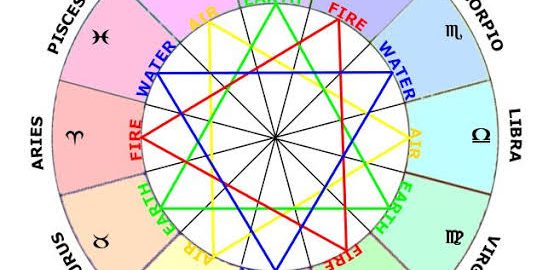
The zodiac is a twelve-part celestial framework used to map the apparent yearly path of the Sun, known as the ecliptic. Its twelve signs—Aries through Pisces—each occupy 30 degrees of a complete 360-degree circle. The astrological zodiac is a symbolic coordinate system and should be distinguished from the unequal astronomical constellations bearing similar names.

Astrological Meaning

In astrology, the zodiac describes twelve distinct modes of expression. A planet indicates what function is active, while its zodiac sign suggests how that function tends to operate. A house shows the area of life involved, and aspects describe relationships between chart factors. Western astrology commonly uses the tropical zodiac, aligned with the equinoxes and seasons; many Indian and some Western traditions use a sidereal zodiac referenced to stellar positions.

Why It Matters

The zodiac provides the basic vocabulary for interpreting natal charts, transits, and other astrological techniques. Understanding its structure prevents common errors, such as treating a Sun sign as the whole personality or confusing signs with houses. It also helps readers compare traditions thoughtfully, since tropical and sidereal systems may assign different signs to the same planet while remaining internally coherent within their respective methods.

Related Encyclopedia Entries

