
All posts by admin

HUMAN

Definition

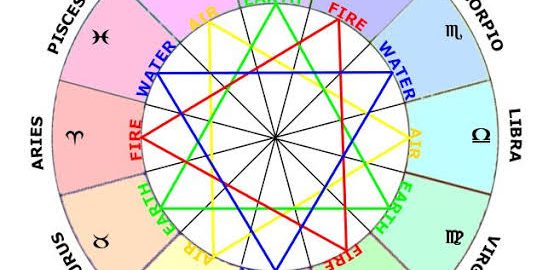
In traditional astrology, human describes a sign represented primarily by a human figure rather than an animal or object. Gemini, Virgo, Libra, and Aquarius are commonly classified as human or humane signs. The human half of Sagittarius may also be included. Exact lists can vary among traditional authorities, so the astrologer’s method and source tradition should be considered.

Astrological Meaning

Human signs are associated symbolically with reasoning, communication, cooperation, social customs, and activities requiring conscious judgment. In horary astrology, their prominence may describe people, populated settings, negotiation, or circumstances shaped by human decisions. In a natal chart, planets in these signs can emphasize interpersonal awareness or intellectual engagement, but they do not automatically make someone kinder, wiser, or more civilized. Planetary condition, house placement, aspects, and rulership remain essential to interpretation.

Why It Matters

Recognizing this classification helps clarify older astrological texts, where sign symbolism often contributes descriptive detail to a judgment. It can refine questions about environment, behavior, or the type of agency involved in a situation. The term should be used as one interpretive layer rather than a stand-alone conclusion, especially because historical astrologers did not always apply the category identically.

Related Encyclopedia Entries

HOT

Definition

Hot is one of the four primary qualities used in classical astrology, alongside cold, moist, and dry. Derived from ancient natural philosophy, heat signifies activity, motion, expansion, and the capacity to initiate change. Fire and air signs are traditionally considered hot, while planets may express heat as part of their individual temperaments.

Astrological Meaning

In traditional chart interpretation, the hot quality suggests vitality, outward movement, responsiveness, and an active orientation. The Sun and Mars are classically hot and dry, while Jupiter is generally described as hot and moist; Mercury’s temperament can vary according to its condition and associations. An emphasis on hot planets or signs may indicate enthusiasm, initiative, visibility, or rapid engagement. Its expression depends on the accompanying quality: hot and dry tends toward force and separation, whereas hot and moist favors growth, connection, and circulation.

Why It Matters

Assessing heat helps astrologers evaluate a chart’s overall temperament rather than interpreting each placement in isolation. A strong hot emphasis may support decisiveness and energetic participation, but it can also suggest haste or overstimulation when poorly moderated. A lack of heat does not imply weakness; it may correspond with a more reflective or conserving style. Houses, aspects, planetary condition, and the balance of all four qualities refine the judgment.

Related Encyclopedia Entries

HOARSE or MUTE

Definition

HOARSE or MUTE is an older astrological classification connected with voice, speech, and verbal expression. Traditional astrologers commonly described the water signs—Cancer, Scorpio, and Pisces—as mute, voiceless, or sometimes hoarse signs. The terminology reflects historical symbolism rather than a modern statement about disability or a clinical diagnosis.

Astrological Meaning

When a traditional chart places Mercury, the ruler of the Ascendant, or another communication-related factor in a mute sign, the symbolism may suggest reserved speech, indirect communication, secrecy, emotional expression, or reliance on nonverbal cues. Some classical methods gave the condition greater emphasis when Mercury was also weakened or under difficult aspects from Saturn or Mars. A sign classification alone, however, does not determine a person’s speaking ability. The planet involved, its house, dignity, aspects, sect, and the overall chart must all be considered. In horary astrology, mute signs may describe silence, withheld information, limited testimony, or a matter that is difficult to articulate.

Why It Matters

Understanding HOARSE or MUTE helps readers interpret traditional texts without taking their language literally. It is most useful as symbolic vocabulary for how readily something is voiced or communicated. Modern practice should apply the term carefully, emphasizing communication style and context rather than predicting speech disorders or assigning fixed limitations.

Related Encyclopedia Entries

HIEMAL, or Hyemal

Definition

Hiemal, also spelled hyemal, is an older astrological term meaning wintry or belonging to winter. In traditional seasonal classifications of the tropical zodiac, it commonly describes Capricorn, Aquarius, and Pisces, the signs through which the Sun travels during the Northern Hemisphere’s winter. The term comes from the Latin hiems, meaning winter.

Astrological Meaning

The hiemal signs represent the winter phase of the tropical zodiac’s annual cycle. Symbolically, this phase is associated with consolidation, endurance, inward development, preservation, and preparation for renewal. Capricorn begins the season at the winter solstice, Aquarius continues its fixed middle period, and Pisces completes it while anticipating spring. Each sign retains its own element, modality, ruler, and individual symbolism, so being hiemal is a shared seasonal category rather than a complete interpretation. Because this terminology developed within Northern Hemisphere traditions, astrologers working in the Southern Hemisphere may treat its seasonal imagery as symbolic or adapt it to local conditions.

Why It Matters

Recognizing hiemal as a technical seasonal label helps readers understand older astrological writings without assuming it describes coldness of personality or predicts difficult circumstances. In natal interpretation, the term may add seasonal context to planets placed in Capricorn, Aquarius, or Pisces, but it should not outweigh the planets, houses, aspects, dignities, and chart as a whole. It is especially useful when studying traditional astrology, the tropical zodiac, solstitial and equinoctial divisions, or the relationship between signs and the yearly solar cycle.

Related Encyclopedia Entries

FRUITFUL

Definition

Fruitful is a traditional astrological classification describing signs or chart conditions associated with fertility, growth, abundance, and the capacity to produce results. The water signs—Cancer, Scorpio, and Pisces—are commonly called fruitful signs, although terminology and rankings vary among classical and later authorities.

Astrological Meaning

In natal astrology, a fruitful sign may suggest receptivity, creativity, emotional depth, or an ability to nurture projects and relationships. In electional and horary astrology, fruitful signs can be considered supportive when a question concerns increase, cultivation, conception, harvests, or multiplying resources. Interpretation depends on the relevant house, its ruler, planetary condition, aspects, and the purpose of the chart. A fruitful sign alone does not promise pregnancy, prosperity, or success. Benefic planets such as Venus or Jupiter may reinforce themes of growth when suitably placed, while difficult conditions can modify or delay expression.

Why It Matters

The term helps explain how traditional astrologers assessed whether circumstances favored development or increase. It is most useful as one testimony among several rather than as a verdict. Modern readers can also apply it symbolically to artistic productivity, business growth, caregiving, and other processes that require nourishment, patience, and sustained development.

Related Encyclopedia Entries

FORTUNATE

Definition

Fortunate is a traditional astrological term describing a planet, placement, or chart factor considered favorably situated or capable of producing constructive results. Older texts may call a planet fortunate when it is dignified, supported by benefic aspects, placed in a suitable house, or otherwise strengthened. The term describes astrological condition rather than guaranteed luck.

Astrological Meaning

A fortunate planet is generally interpreted as having greater freedom to express its constructive qualities. Essential dignity may help it act consistently with its nature, while accidental dignity can give it practical influence through house placement, motion, or angularity. Helpful aspects from Venus or Jupiter may add ease or support, although the complete chart determines how strongly these indications operate. Traditional astrologers may also describe particular houses, lots, aspects, or timing periods as fortunate. Such language is comparative: one factor can be favorable in a specific matter without making the entire chart uniformly easy.

Why It Matters

Recognizing fortunate conditions helps an astrologer identify resources, areas of relative ease, and planets that may function reliably. It also prevents interpretation from focusing only on difficulty. The term should be assessed alongside sect, rulership, dignity, aspects, house topics, and the question being considered. A favorable indication suggests potential or support, not certainty, and its expression still depends on the wider natal or predictive context.

Related Encyclopedia Entries

