
All posts by admin

FEMININE

Definition

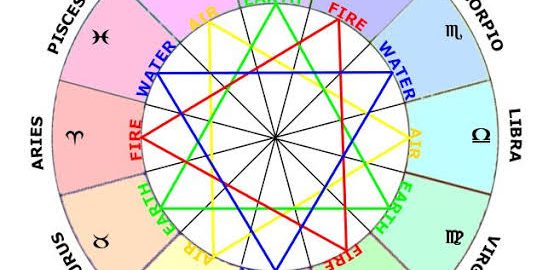
Feminine is a traditional astrological classification describing one side of the zodiac’s twofold polarity. Taurus, Cancer, Virgo, Scorpio, Capricorn, and Pisces are considered feminine signs; they belong to the earth and water elements. Here, feminine refers to a receptive or inward-oriented symbolic quality, not to biological sex, gender identity, or personality stereotypes.

Astrological Meaning

Feminine signs are traditionally associated with responsiveness, containment, reflection, consolidation, and sensitivity to circumstances. A planet placed in one of these signs may express its nature through observation, adaptation, preservation, or internal processing. For example, Mars in a feminine sign does not become weak or passive; its initiative may operate more selectively, strategically, or protectively. Interpretation must also consider the specific sign, element, modality, house, aspects, dignity, and the planet’s condition. Some classical systems extend masculine and feminine classifications to planets, houses, and chart sectors, although definitions and applications can vary among traditions.

Why It Matters

Recognizing feminine polarity helps astrologers describe how chart energies tend to be directed rather than judging whether they are strong or desirable. A concentration of feminine signs may suggest an emphasis on receptivity, private development, practical cultivation, or emotional awareness. It is only one layer of interpretation and should be balanced against the chart’s elements, modalities, angularity, and planetary placements.

Related Encyclopedia Entries

EFFEMINATE

Definition

Effeminate is an archaic, culturally loaded term found in some older astrological texts. It generally described a man whose appearance, manner, or temperament was considered feminine according to the social conventions of the writer’s era. Its meaning was inconsistent and often judgmental, so it should not be treated as a neutral description or a formal astrological condition.

Astrological Meaning

Traditional authors sometimes associated the label with feminine signs, Venus or the Moon, the condition of the Ascendant and its ruler, or combinations thought to soften conventional masculine traits. Interpretations differed substantially among periods and schools. In contemporary practice, these factors are more usefully discussed as symbolism related to receptivity, sensitivity, sociability, aesthetic expression, or relational style. No placement reliably determines gender identity, gender expression, or sexual orientation, and the entire chart must be considered before describing temperament.

Why It Matters

Understanding this term helps readers interpret historical material without importing outdated assumptions into present-day chart work. When it appears, identify the author’s intended technical context, distinguish planetary symbolism from social prejudice, and translate the passage into precise, nonjudgmental language. This approach preserves useful traditional concepts while respecting the varied ways people express personality and gender.

Related Encyclopedia Entries

DUMB

Definition

DUMB is an archaic term in classical astrology for being silent, voiceless, or unable to express something verbally. It most often appears in the phrase “dumb signs,” an older name for the mute signs: Cancer, Scorpio, and Pisces. These signs were classified this way because their symbolic creatures were considered voiceless. The term does not refer to intelligence and should not be used as a modern label for a person.

Astrological Meaning

In traditional chart interpretation, a significator placed in a mute sign may suggest silence, secrecy, restrained speech, indirect communication, or difficulty putting a matter into words. Mercury, the third house, their rulers, and relevant aspects must also be examined before drawing a conclusion. In horary astrology, a mute sign can describe information that remains unspoken, a person who will not answer, or circumstances requiring discretion. In natal work, it may point symbolically toward a private or nonverbal communication style, but it should not be treated as proof of a speech disorder.

Why It Matters

Understanding this historical term helps readers interpret older astrological texts without importing the word’s modern insulting meaning. It also illustrates how traditional astrologers used sign classifications as supporting testimony rather than complete judgments. A mute sign may add nuance, but planetary condition, house context, dignity, reception, and aspects usually provide the fuller picture.

Related Encyclopedia Entries

DUAL, or DOUBLE-BODIED

Definition

Dual, or double-bodied, is a traditional classification for the zodiac signs Gemini, Virgo, Sagittarius, and Pisces. These signs are also known today as mutable signs. Their symbols or traditional imagery suggest paired, divided, or composite forms, reflecting their position at the transition between seasons.

Astrological Meaning

In classical interpretation, dual signs signify adaptability, changeability, mediation, and the capacity to respond to more than one condition. A planet placed in one of these signs may express itself flexibly or through several interests, roles, or approaches. Depending on the planet, house, aspects, and condition of its ruler, this versatility can support negotiation and adjustment, or it may appear as hesitation, inconsistency, or divided attention. The term describes a sign quality rather than a literal prediction or a fixed personality trait.

Why It Matters

Recognizing double-bodied signs helps astrologers judge how readily a chart factor may shift, combine alternatives, or operate in changing circumstances. The classification is especially relevant in traditional natal, horary, and electional astrology, where sign modality can affect questions involving continuity, repetition, multiplicity, and transitions. It should always be weighed alongside the complete chart rather than interpreted alone.

Related Encyclopedia Entries

CROOKED

Definition

Crooked is an older astrological classification applied to certain zodiac signs, usually Taurus, Capricorn, and Pisces in traditional reference lists. The term describes their symbolic forms as bent, curved, or irregular rather than making a moral judgment. Because historical authorities did not always use sign classifications consistently, the intended system should be checked in the text being consulted.

Astrological Meaning

In traditional natal, horary, and electional astrology, a crooked sign may suggest indirect movement, complications, uneven development, or something that does not proceed in a simple line. Earlier astrologers sometimes used the category when judging physical form, conduct, objects, routes, or the condition of a matter. Modern interpretation should avoid treating it as proof of dishonesty, disability, or misfortune. The sign’s ruler, house position, aspects, dignity, and the specific question carry greater interpretive weight.

Why It Matters

Recognizing this term helps readers understand older astrological manuals without importing the modern moral meaning of “crooked.” It also illustrates how classical astrology grouped signs by visible imagery and symbolic qualities. When the category appears in a chart judgment, it is best used as a secondary descriptive factor—perhaps indicating bends, detours, complexity, or nonlinearity—rather than as a stand-alone verdict.

Related Encyclopedia Entries

CONCEPTIVE

Definition

Conceptive is an older astrological adjective associated with conception, fertility, or the capacity to generate and bring forth life. It appears mainly in traditional discussions of natal and horary astrology rather than as a standardized modern chart factor. Its precise sense depends on context: an author may apply it to a sign, planet, house, or configuration considered supportive of conception.

Astrological Meaning

In traditional practice, conceptive symbolism is commonly assessed through the Moon, Venus, Jupiter, the fifth house, its ruler, and signs historically classified as fruitful or fertile, especially the water signs Cancer, Scorpio, and Pisces. Barren or less fruitful signs may also be considered, but no single placement settles the matter. In a natal chart, these factors can describe symbolic themes of fertility, creativity, nurture, or generative potential. In horary astrology, they may contribute to a judgment about a question involving pregnancy or children, alongside receptions, aspects, house rulers, and timing indicators.

Why It Matters

Understanding conceptive as a contextual traditional term prevents it from being mistaken for a planet, aspect, or formal dignity. It also encourages careful synthesis rather than literal conclusions from one sign or placement. Because astrological fertility symbolism is not a medical assessment, it is best used to explore creative and reproductive themes while leaving health and pregnancy questions to qualified medical professionals.

Related Encyclopedia Entries

