
83¢/min
Intro Offer
We charge 60% LESS than our competitors!
Tons of spot-on predictions in our newsletter.

category: Astrology Encyclopedia

Figure

Definition

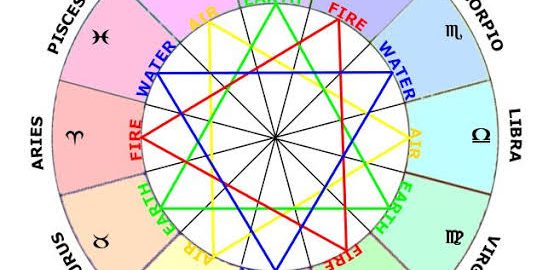
In traditional astrology, a figure is a diagram of the heavens calculated for a particular time and place. Often called a celestial figure or figure of heaven, it displays the zodiac signs, houses, planets, angles, and aspects. Older texts may use the word as a synonym for horoscope or chart, although it can sometimes refer more narrowly to a geometric planetary pattern.

Astrological Meaning

A figure provides the organized framework within which astrological factors are interpreted. A natal figure represents the sky at birth, while horary, electional, and mundane figures are cast for a question, chosen undertaking, or public event. Interpretation depends on the type of figure and the relationships among its parts. Traditional astrologers may examine house rulership, planetary condition, sect, angularity, dignity, reception, and applying or separating aspects rather than reading any one placement in isolation.

Why It Matters

Recognizing this historical term makes classical astrological texts easier to understand. It also emphasizes that astrology works through a complete arrangement of factors, not a list of disconnected symbols. When an older author instructs the reader to “erect” or “judge” a figure, the instruction generally means to calculate or interpret the relevant chart. Context remains important because the same word may occasionally describe a particular aspect pattern.

Related Encyclopedia Entries

Collection of light

Definition

Collection of light is a traditional astrological condition in which two planets that do not directly perfect an aspect both apply to a third planet. This third planet, usually slower than the other two, is said to collect their light. The technique is used primarily in horary astrology to judge whether separate parties or circumstances can be brought together indirectly.

Astrological Meaning

In interpretation, the two applying planets often represent significators that cannot connect on their own. The collecting planet may symbolize a mediator, authority, shared resource, institution, or circumstance capable of uniting their interests. Its strength, house position, dignity, and relationship to both significators help describe whether it can perform that role effectively. Traditional astrologers also examine reception: favorable reception may support cooperation, while poor reception, debility, prohibition, or interference can weaken the promised connection. Collection differs from translation of light, where a faster planet carries influence from one significator to another.

Why It Matters

Collection of light can reveal a possible route toward resolution when the principal significators lack a direct applying aspect. It adds nuance by showing that an outcome may depend on assistance, negotiation, or an outside agent rather than the parties acting alone. The condition should not be treated as an automatic promise of success; the collecting planet’s condition and the chart’s broader testimony remain essential to judgment.

Related Encyclopedia Entries

Colors

Definition

Colors are symbolic correspondences associated with planets, zodiac signs, elements, houses, and other astrological factors. Their meanings developed through traditional observations of light, nature, mythology, metals, gemstones, and ceremonial practice. Correspondence systems vary by culture and astrological school, so no single list of planetary or zodiac colors is universally authoritative.

Astrological Meaning

Astrologers may use color to express or emphasize a chart’s symbolism. Red is commonly linked with Mars through themes of heat, vitality, and action, while gold or bright yellow may evoke the Sun, visibility, and confidence. Silver and white are often associated with the Moon, and deep blue or black with Saturn’s sobriety and restraint. Venus may be represented by green, pink, or soft harmonious shades. These associations are interpretive aids rather than independent chart factors; a person’s preferred color does not establish a planetary placement or predict events.

Why It Matters

Color correspondences can make abstract astrological ideas easier to visualize and may support artwork, ritual, meditation, clothing choices, or the design of an astrological space. They are most useful when connected to a clearly identified planet, sign, or purpose and interpreted within a consistent tradition. Natal placements, aspects, dignity, and current transits carry more interpretive weight than color alone, but color can provide a memorable way to engage with their themes.

Related Encyclopedia Entries

Feral

Definition

Feral is a traditional astrological term describing a planet that moves through a sign without forming a recognized major aspect with another planet. Some classical authorities apply the term only when the planet remains entirely without such contact from its entrance into the sign until its departure. Because historical definitions differ, the astrologer should state the aspect set, orb rules, and time frame being used. Feral is related to, but not always identical with, being unaspected or void of course.

Astrological Meaning

A feral planet is symbolically “untamed”: its nature may operate independently, irregularly, or without much modification from other planets. In a natal chart, this can emphasize a planetary function that feels self-directed or difficult to integrate with the rest of the personality. In horary or electional astrology, it may describe a person, matter, or course of action lacking support, connection, or coordination. Interpretation still depends on the planet’s sign, house, dignity, speed, and other conditions.

Why It Matters

Recognizing feral status helps distinguish simple lack of contact from weakness or misfortune. A feral planet is not automatically harmful, powerless, or doomed; independence can be useful in some contexts. Careful definition also prevents confusion with modern unaspected-planet techniques and with the Moon’s void-of-course condition, which follow different rules and serve different interpretive purposes.

Related Encyclopedia Entries

Feminine Signs

Definition

Feminine signs are the six signs traditionally classified as receptive or negative in astrological polarity: Taurus, Cancer, Virgo, Scorpio, Capricorn, and Pisces. They include all earth and water signs and alternate with the masculine, or active, signs around the zodiac. Here, “feminine” describes a symbolic mode of expression rather than biological sex, gender identity, appearance, or social role.

Astrological Meaning

Feminine signs tend to direct energy inward, responding to conditions through reflection, containment, cultivation, or adaptation. Earth signs often express this receptivity in practical, stabilizing ways, while water signs commonly emphasize emotional awareness, sensitivity, and instinct. A planet in a feminine sign may work through observation, patience, or careful response rather than immediate outward action. Its actual expression also depends on the planet, house, aspects, sign ruler, and the chart as a whole.

Why It Matters

Recognizing sign polarity helps an astrologer assess how a chart balances receptive and active tendencies. Several planets in feminine signs may suggest a person who processes experience privately, builds gradually, or prefers to respond after sensing what circumstances require. This does not necessarily indicate passivity, shyness, or weakness; receptive energy can be persistent, strategic, and highly productive. Polarity is most useful as one layer of interpretation alongside element and modality, not as a rigid personality label.

Related Encyclopedia Entries

Comets

Definition

Comets are small celestial bodies made largely of ice, dust, and rock. When a comet approaches the Sun, heat creates a bright coma and sometimes a visible tail. Unlike planets, comets do not follow the regular cycles commonly used in horoscope interpretation. In historical astrology, their sudden appearance made them important phenomena within mundane astrology.

Astrological Meaning

Traditional astrologers often treated comets as signs of unusual collective conditions rather than as routine natal-chart factors. Interpretation could consider the comet’s color, brightness, direction, duration of visibility, and apparent location among the constellations or zodiac signs. These features were associated symbolically with kingdoms, leaders, weather, conflict, public unrest, or major transitions. Such readings varied widely by era and culture, so a comet has no single universal meaning. Modern astrologers who use comets may view them more broadly as symbols of disruption, revelation, heightened attention, or developments that challenge established patterns.

Why It Matters

Comets matter because they illustrate how classical astrology interpreted rare sky events differently from predictable planetary movements. Studying them helps distinguish mundane omens from natal placements and ordinary transits. A comet’s symbolism is best considered alongside its historical context, visibility, location, and other astrological conditions rather than treated as an isolated prediction. Because traditional accounts can be dramatic, contemporary interpretation benefits from restraint: a comet may frame a period’s themes, but it does not guarantee a specific event or personal outcome.

Related Encyclopedia Entries

