.83¢/min Intro Offer

We Charge 60% LESS than our competitors!

All Psychics tested before hire.

category: Divination Systems

Explore ancient and modern divination methods including I Ching, Lenormand, Oracle Cards, Tea Leaf Reading, Sigils, Tasseography, Feng Shui, and related traditions.

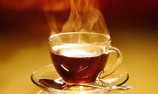
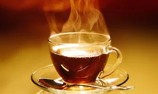
Tea Leaf Readings- Tasseography

Tea leaf Readings likely began in ancient China, where tea was first discovered. As the drink spread across Asia, the Middle East, and Europe, so did the custom of gazing into the dregs of the cup. In Victorian England, tasseography became a social pastime—friends gathered for afternoon tea, and someone inevitably asked, “Who wants their fortune read?”

It wasn’t about predicting doom and gloom. It was storytelling—an intuitive conversation sparked by shapes and symbols in the cup.

The process is delightfully simple. You start with loose-leaf tea (not bagged), poured without a strainer. Once you’ve enjoyed your tea, you leave just a small sip of liquid at the bottom, then swirl the cup three times clockwise. When you gently turn the cup upside down on its saucer, the leaves settle into patterns.

A reader interprets these patterns—seeing images, letters, animals, or shapes. A heart might symbolize love, an arrow could mean news is on the way, and a ladder might hint at career progress. No two cups ever look alike, which makes each reading personal and one-of-a-kind.

While there are traditional symbol meanings, tea leaf reading is ultimately intuitive. Two readers might see completely different things—and both can be right. What matters is the story that unfolds and how it connects to the person receiving the reading.

This intuitive element is what makes tasseography feel so human. It’s not about memorizing a dictionary of symbols. It’s about connecting to your imagination and trusting your gut.

Tea leaf readings are best done in a relaxed, peaceful setting. Dim the lights, light a candle, and enjoy the ritual of making tea slowly. The experience itself—warmth, aroma, conversation—opens up intuition.

Some readers even choose teas with intention: chamomile for calm readings, black tea for energy, or jasmine for spiritual clarity.

In today’s digital world, the idea of pausing for a cup of tea and a moment of reflection feels almost rebellious. Maybe that’s why tea leaf readings are making a comeback. They’re personal, creative, and unplugged.

Whether you’re reading for yourself or a friend, it’s less about “predicting” and more about reflecting. Each cup offers a mirror—one that just happens to be filled with leaves, not logic.

In short: tea leaf reading is part art, part intuition, and part mindfulness. It’s a ritual that turns something as simple as finishing a cup of tea into a doorway for insight, laughter, and sometimes, a little magic.
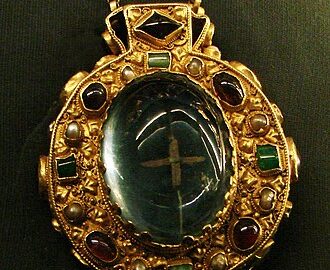
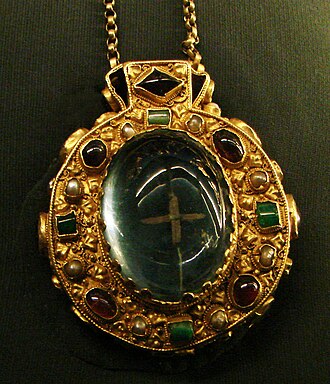
Sigils, Seals, and Talismans: Ancient Symbols of Power

Throughout history, people have used sigils, seals, and talismans to protect themselves, attract good fortune, and channel energy. These symbols, found in cultures across the world, remain popular in both ancient traditions and modern mystical practices.

Origins and Evolution
The use of these symbols dates back to ancient civilizations. Mesopotamians used seals for both official documents and personal protection. Egyptians crafted elaborate amulets to invoke the power of their gods. The Greeks and Romans also embraced these practices, inscribing magical symbols on objects for healing, luck, and spiritual guidance.

How They Work
*Sigils are custom-made symbols created by condensing a word or phrase into a unique design. They are charged with intention through rituals like meditation or burning, believed to help manifest desires.

*Seals historically marked authority and authenticity, but many were also believed to hold magical power. Medieval grimoires, like the Lesser Key of Solomon, contain seals meant to summon and control spirits.

*Talismans are physical objects, such as stones or metals, thought to carry inherent power. They are often worn or carried for protection, luck, or strength. In medieval Europe, knights carried talismans into battle, while in Japan, Shinto shrines sell omamori charms for various blessings.

Despite skepticism, these mystical symbols continue to thrive. People use sigils in modern occult practices, wear protective talismans, and explore ancient seals in spiritual traditions. From tattoos to charms, these symbols reflect a timeless human desire to connect with unseen forces and shape our destinies.

Sigils, seals, and talismans are not just relics of the past—they are living traditions, evolving with each generation and continuing to inspire those who seek protection, guidance, and empowerment.

Cartomancy

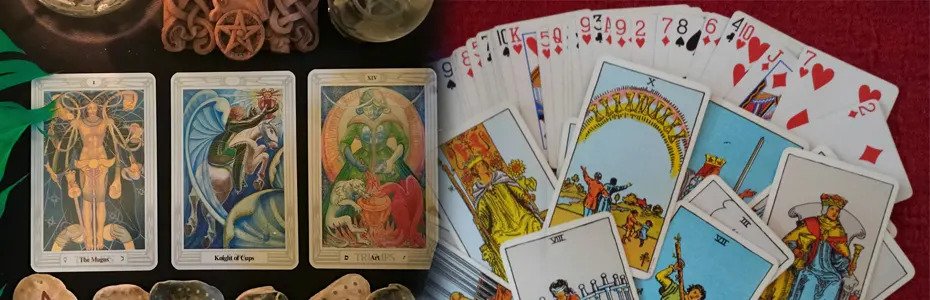
Cartomancy is a divination practice that involves using a deck of cards, to gain insight and guidance into various aspects of a person’s life or to predict future events. It’s a form of divination that has been practiced for centuries and is often considered a type of psychic or mystical art.  The reader interprets the symbolism, imagery, and arrangement of the cards drawn or laid out in a specific pattern. Different cards are associated with different meanings and concepts, and the way they are combined and positioned can influence the interpretation. The reader might consider the relationships between cards, their positions in the spread, and their orientations (reversed or upright) to provide insights and predictions.

There are several different forms of cartomancy, each using a specific type of card deck and interpretation method. Here are some notable forms of cartomancy:

Tarot Card Reading: This is the most popular forms of cartomancy. The 78-card deck is divided into the Major Arcana and Minor Arcana, each with its own set of meanings. Tarot readers use various spreads and combinations of cards to offer insights into different aspects of a person’s life.

Lenormand Card Reading: The Lenormand deck consists of 36 cards, each depicting a simple image or symbol. This form of cartomancy focuses on clear and direct interpretations, often involving combinations of two or more cards to form a sentence-like statement about a situation.

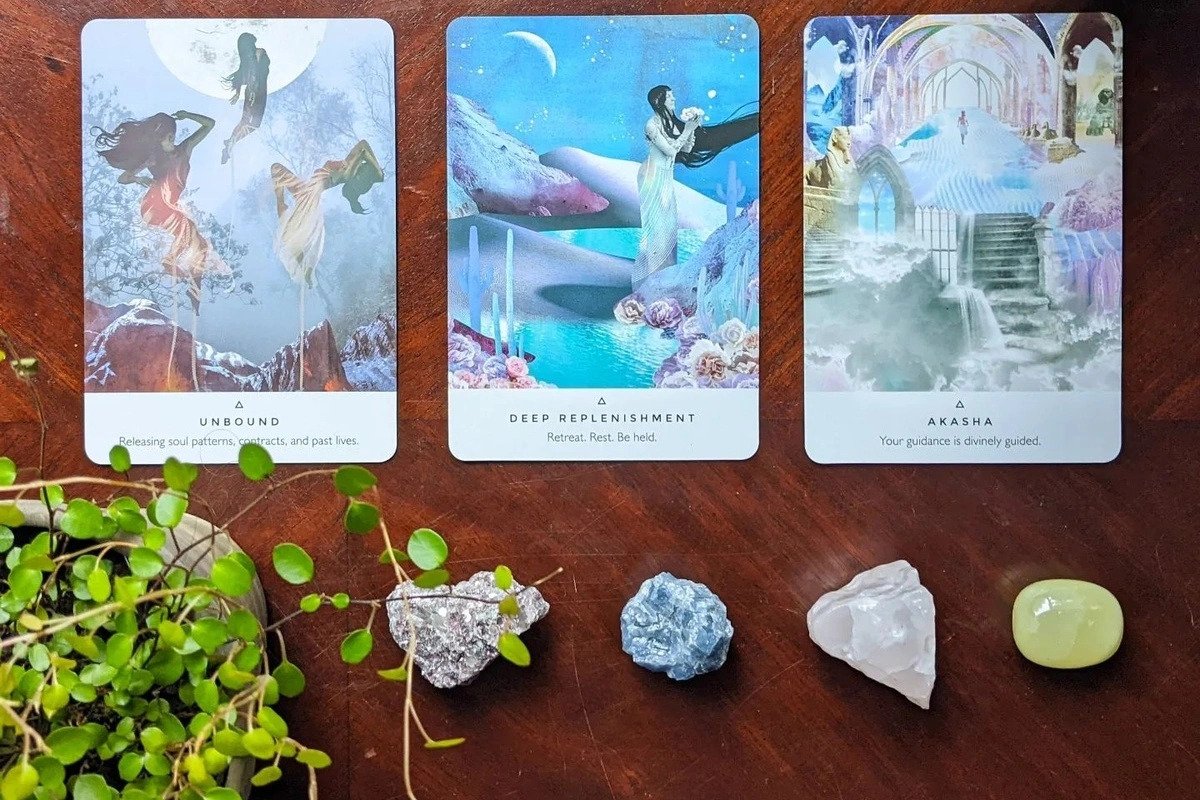
Oracle Card Reading: Oracle decks come in a wide range of themes and designs. Unlike tarot and Lenormand, oracle cards don’t follow a standardized system. They might have inspirational messages, affirmations, or symbolic imagery that the reader interprets based on their intuition and the theme of the deck.

Playing Card Reading: Using a standard deck of 52 playing cards, this form of cartomancy assigns meanings to each card based on their rank and suit. Different spreads and combinations are used to provide insights into various life situations.

Gypsy Card Reading: Also known as the Kipper cards, this method uses a deck of 36 cards with specific images and meanings. Gypsy card readings often focus on practical matters and day-to-day life situations.

Regular Playing Cards: Similar to playing card reading, this form of cartomancy uses the standard 52-card deck, attributing meanings to each card based on their number and suit. Different spreads and techniques are used to provide guidance and predictions.

Sibilla Card Reading: The Sibilla card deck contains a varied number of cards (often 52 or more) with intricate imagery and symbolism. Readers combine and interpret cards in response to questions or situations.

Destiny Card Reading: This system assigns a specific playing card to each day of the year based on a person’s birthdate. These birth cards are thought to hold insights into a person’s strengths, challenges, and life path.

These are just a few examples of the many different forms of cartomancy. Each form has its own unique characteristics, interpretations, and spreads, and practitioners often choose the one that resonates most with them or the one that fits the type of guidance they seek to offer.

Psychography- Automatic Writing

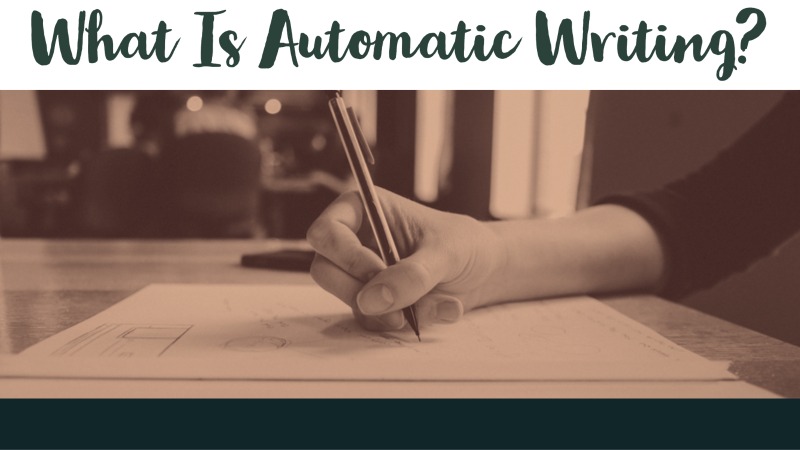
Psychography does not relating to writing about psycho’s… but that can happen. Instead, it is Automatic Writing.

Automatic writing is a practice in which a person writes without consciously thinking about what they are writing. The process typically involves the writer entering a relaxed or meditative state, and allowing their hand to move across the page or keyboard without consciously directing it. The resulting writing may be incoherent or may contain messages that the writer did not consciously intend.


Automatic writing is often used as a tool for personal growth, self-discovery, and spiritual exploration. Some people believe that the writing produced through automatic writing is influenced by subconscious or spiritual forces, while others see it as a way to tap into their own intuition and creativity. It can be used for various purposes, including accessing inner wisdom, exploring emotions, and working through issues or problems.


It’s important to note that automatic writing can be a powerful and potentially transformative practice, but it should be approached with caution and guidance from a qualified professional. It can sometimes bring up intense emotions or experiences, and it’s important to have support in processing these experiences.
 

Next time, we’ll comb through Non-dominant writing to access the inner child.
 

Oracle Cards

Oracle cards are a type of divination tool used for gaining insight and guidance. Unlike tarot cards, which have a standardized set of 78 cards with specific meanings, oracle cards can have any number of cards with a wide range of themes and artwork.

Oracle cards are typically used for personal growth and self-reflection, and they can be used for a variety of purposes, such as gaining insight into a situation, finding inspiration, or receiving guidance on a particular issue.

There are many different types of oracle cards available, each with their own unique themes and artwork. Here are some common types of oracle cards:

  1. Angel Cards: These cards feature images and messages from angels and can provide guidance, comfort, and support.
     
  2. Goddess Cards: These cards feature images and messages from various goddesses from different cultures and can provide insight and guidance on feminine energy and empowerment.
     
  3. Animal Cards: These cards feature images and messages from different animals and can provide guidance on connecting with nature and understanding animal symbolism.
     
  4. Chakra Cards: These cards feature images and messages related to the chakras, or energy centers in the body, and can provide guidance on balancing and healing these centers.
     
  5. Tarot-inspired Oracle Cards: These cards are similar to tarot cards but with less strict structure and can provide guidance on various aspects of life such as love, career, and personal growth.
     
  6. Affirmation Cards: These cards feature positive affirmations and can be used as a tool for self-reflection and self-improvement.
     
  7. Numerology Cards: These cards feature numbers and can provide guidance on understanding the significance of numerology in one’s life.
     
  8. Elemental Cards: These cards feature images and messages related to the four elements (earth, air, fire, and water) and can provide guidance on understanding and connecting with these elements.

There are many other types of oracle cards available, and new decks are constantly being created with unique themes and artwork.

Lenormand Divination Cards

Marie Lenormand was a prominent French Psychic who lived in the late 18th and early 19th century. She was accepted for her skill in reading and studying various divination tools, including Tarot Cards, playing cards, and tea leaves.

She quickly gained a standing as a highly precise clairvoyant, and her clientele included members of the French aristocracy and royalty, such as Josephine Bonaparte, the wife of Napoleon Bonaparte.

Lenormand also published a number of books on divination, including the “Grand Jeu de Mlle Lenormand,” a deck of divination cards that are still widespread today. Her name has become interchangeable with this deck of cards, which are known as Lenormand cards.

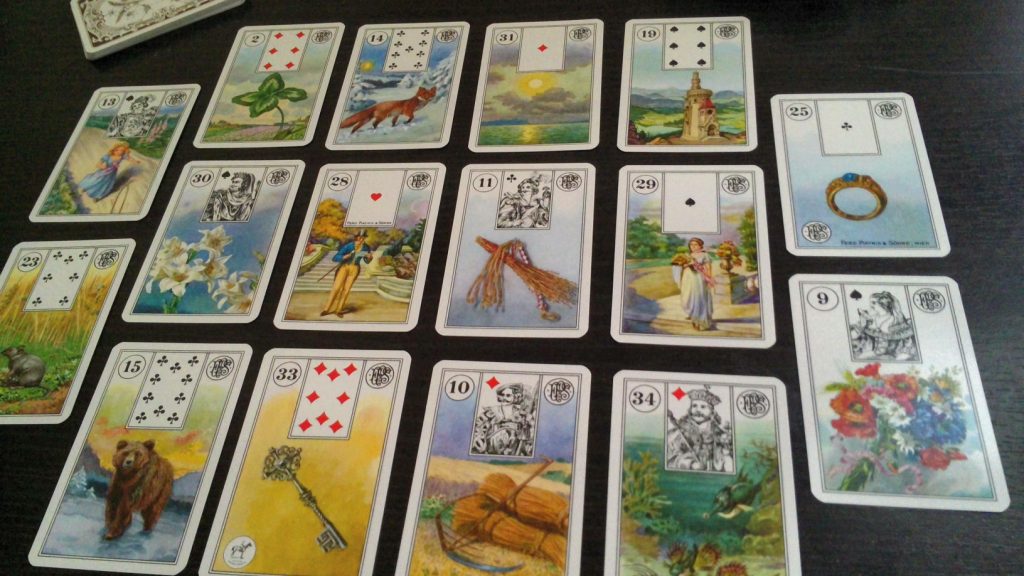
Lenormand cards are a type of divination system  that is used for gaining insight into various aspects of life. It consists of 36 cards, each with a specific symbol or image that represents a different aspect of life, such as emotions, relationships, career, and health.  This system is different from Tarot cards in that they focus more on practical, everyday concerns and are often more straightforward in their interpretations.

The cards are usually read in pairs or small groups, with each card in the group adding to the overall meaning and providing more detail and nuance to the reading. Lenormand readings can provide insight into the past, present, and future.  It can help individuals gain clarity on various aspects of their lives.

Lenormand cards and Tarot cards are both used for divination, but they have some significant differences in their origins, meanings, and uses.

Tarot cards originated in Italy in the 15th century and were initially used for playing games. They were later adapted for divination purposes in the late 18th century. Lenormand cards, on the other hand, were created in the late 18th century specifically for divination purposes.

Tarot decks usually consist of 78 cards, while Lenormand decks only have 36 cards.

Tarot cards have highly symbolic images that can be interpreted in many different ways. Lenormand cards, on the other hand, have more literal images that depict everyday objects, people, and situations.

Tarot cards tend to focus more on spiritual and psychological themes, while Lenormand cards are more focused on practical, everyday concerns.

Tarot cards are often read in creative spreads that involve multiple cards and positions, while Lenormand cards are typically read in pairs or small groups, with each card adding to the overall meaning of the reading.

In summary, Tarot cards are more symbolic, while Lenormand cards are more straightforward and practical. Both can be used for divination and gaining insight into various aspects of life, but they have different strengths and are suited to different types of questions and situations.

Let’s see what the Lenormand divination cards have in store for you. Try the network for just $1 minute! 1-800-498-8777!  Our Network Established in 2001 and has 3 decades of experience.  We know how to staff only the BEST Psychics!