
.83¢/min Intro Offer

We Charge 60% LESS than our competitors!

All Psychics tested before hire.

category: Astrology Encyclopedia

Ruler: Mercury

Definition

Mercury is the planetary ruler of Gemini and Virgo in both traditional and modern Western astrology. It also becomes the ruler of any natal house whose cusp falls in one of these signs. A planet placed in Gemini or Virgo is said to be disposed by Mercury, meaning Mercury helps describe how that planet’s energy is organized and expressed.

Astrological Meaning

As a ruler, Mercury directs attention toward communication, perception, learning, analysis, exchange, movement, and practical coordination. Its sign shows the style in which these processes operate, its house identifies the life area where they are emphasized, and its aspects describe how Mercury interacts with other chart factors. When Mercury rules a house, its natal condition offers additional information about that house’s affairs. For example, if Gemini is on the seventh-house cusp, Mercury’s placement can contribute to the interpretation of partnerships without replacing the seventh house, planets within it, or relevant aspects.

Why It Matters

Understanding Mercury as a ruler connects separate parts of a chart and helps the astrologer follow relationships between signs, houses, and planets. A strongly placed Mercury may suggest that Mercurial skills are readily accessible, while a more challenged Mercury may point to complexity, revision, or effort in those areas. These indications are tendencies rather than fixed outcomes and should be weighed with the full natal chart, the chosen house system, and the broader interpretive context.

Related Encyclopedia Entries

Sign, Gemini

Definition

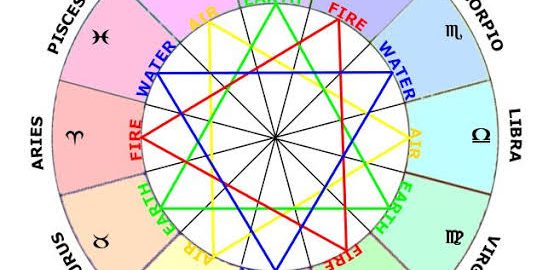
Gemini is the third sign of the zodiac, traditionally associated with the period when the Sun moves through this portion of the tropical zodiac. Symbolized by the Twins, Gemini is a mutable air sign ruled by Mercury. Its core themes include communication, curiosity, exchange, adaptability, and the linking of people or ideas.

Astrological Meaning

In a natal chart, Gemini describes an area of life approached through observation, questions, comparison, and mental movement. Planets in Gemini may express themselves verbally, flexibly, or through a desire for variety. The sign can support wit, versatility, and an ability to consider multiple viewpoints, though its restless side may appear as distraction, inconsistency, or excessive analysis. Interpretation depends on the planet involved, its house placement, its aspects, and Mercury’s condition in the chart. A Gemini Sun concerns identity and purpose, for example, while a Gemini Moon describes emotional habits and instinctive responses.

Why It Matters

Understanding Gemini helps clarify how a chart handles information, conversation, learning, and changing circumstances. It can identify where experimentation or social connection feels natural, as well as where stronger focus may be useful. Gemini should not be reduced to being “two-faced”; the Twins more accurately suggest multiplicity, dialogue, and the capacity to hold more than one perspective. Its influence is best judged as part of the whole chart rather than as a fixed personality verdict.

Related Encyclopedia Entries

Ruler: Venus

Definition

Venus is the traditional planetary ruler of Taurus and Libra. A planet rules a sign when its nature is considered especially compatible with that sign’s qualities. Venus may also become the ruler of a natal house when Taurus or Libra appears on that house’s cusp. Its sign, house, aspects, and condition then help describe how the house operates.

Astrological Meaning

As ruler of Taurus, Venus is associated with stability, resources, pleasure, values, and the tangible side of attraction. As ruler of Libra, it emphasizes relationships, harmony, proportion, diplomacy, and aesthetic judgment. When interpreting Venus as a house ruler, astrologers connect the topics of the house it governs with the house Venus occupies. For example, if Venus rules the second house and is placed in the tenth, personal resources and values may become linked with career, reputation, or public responsibilities. Venus’s aspects indicate which planets support, complicate, or modify that connection.

Why It Matters

Identifying Venus as a ruler adds structure to chart interpretation. It shows where Taurus or Libra themes are directed and helps connect areas of life that might otherwise seem separate. Venus should not be read only as romance: its rulership can also illuminate money, social agreements, artistic preferences, self-worth, and the way a person seeks balance or enjoyment. The full chart determines how comfortably or constructively these themes may be expressed.

Related Encyclopedia Entries

Sign, Taurus

Definition

Taurus is the second sign of the zodiac. It is a fixed earth sign traditionally ruled by Venus and symbolized by the Bull. In the tropical zodiac, the Sun usually passes through Taurus from about April 20 to May 20. Taurus can describe a Sun sign, but it may also contain any planet, angle, or house cusp in a natal chart.

Astrological Meaning

Taurus is associated with stability, embodiment, resources, comfort, patience, and sustained effort. Its fixed quality favors continuity, while its earth element emphasizes practical and tangible concerns. Venusian rulership adds themes of attraction, pleasure, value, beauty, and relationship. A planet in Taurus may express itself deliberately and consistently, though it can sometimes resist disruption. Interpretation depends on the planet involved, its house, aspects, dignity, and the chart as a whole. The Moon is traditionally exalted in Taurus, indicating conditions that may support steadiness and nourishment.

Why It Matters

Understanding Taurus helps clarify how a chart approaches security, material priorities, self-worth, sensory experience, and change. Strong Taurus emphasis does not guarantee wealth, calmness, or stubbornness; it suggests that preserving value and building durable results may be recurring concerns. Examining Venus, Taurus’s house placement, and relevant aspects provides a fuller interpretation than relying on Sun-sign traits alone.

Related Encyclopedia Entries

Ruler: Mars

Definition

Mars is called a ruler when it governs a zodiac sign or, through that sign, a house in a horoscope. In traditional astrology, Mars rules Aries and Scorpio. A planet placed in either sign is therefore disposed by Mars, while a house with Aries or Scorpio on its cusp may be described as Mars-ruled.

Astrological Meaning

As a ruler, Mars indicates where initiative, assertion, competition, courage, conflict, and decisive action enter the chart. Its sign describes how these drives tend to operate, its house shows the life area in which they are expressed, and its aspects reveal how Mars cooperates or clashes with other planets. For example, if Aries is on the seventh-house cusp, the condition of Mars helps interpret partnerships. Mars in a dignified or well-supported position may suggest focused effort and directness; a more challenged Mars can point to impulsiveness, frustration, or difficulty directing energy constructively.

Why It Matters

Identifying Mars as a ruler connects a sign or house to a specific planet, adding detail beyond the cusp sign alone. Its condition can clarify how the affairs of an Aries- or Scorpio-ruled house are approached and developed. This does not determine outcomes by itself: the full natal chart, relevant transits, and the chart’s overall context should also be considered.

Related Encyclopedia Entries

Asher, Issacher, Zebulon, Joseph and Benjamin

Definition

Asher, Issacher, Zebulon, Joseph and Benjamin are names associated with five of the twelve tribes of Israel. In some religious, magical, and esoteric astrological traditions, the twelve tribes were symbolically matched with zodiac signs, months, directions, gemstones, or other groups of twelve. These correspondences are not a universal part of classical astrology.

Astrological Meaning

When these names appear in astrological material, they usually belong to a specific correspondence system rather than functioning as planets, signs, houses, or aspects. An author may connect each tribe with a zodiac sign by interpreting biblical blessings, tribal emblems, birth order, seasonal symbolism, or stones linked with the priestly breastplate. Joseph may also be handled differently because his sons, Ephraim and Manasseh, sometimes represent separate tribes. Consequently, the sign attributed to Asher, Issacher, Zebulon, Joseph, or Benjamin can vary considerably between sources. Any interpretation should therefore identify the particular tradition and its full set of correspondences before assigning meaning.

Why It Matters

Understanding the historical framework prevents these names from being mistaken for standard natal-chart factors. They can enrich the study of religious astrology, ceremonial symbolism, and the transmission of zodiacal ideas, but they should be treated as interpretive associations rather than fixed celestial influences. In chart work, their relevance depends on the practitioner’s chosen symbolic system and should be considered alongside established planetary and zodiacal techniques.

Related Encyclopedia Entries

