
83¢/min
Intro Offer
We charge 60% LESS than our competitors!
Tons of spot-on predictions in our newsletter.

category: Astrology Encyclopedia

Decanate, Decan

Definition

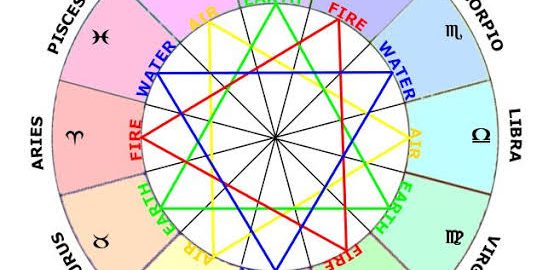
A decan, also called a decanate, is a ten-degree division of a zodiac sign. Because every sign spans thirty degrees, each contains three decans, producing thirty-six across the zodiac. In traditional astrology, decans are also known as faces. Several rulership systems exist, including the ancient planetary sequence associated with the Chaldean order and modern schemes based on signs of the same element.

Astrological Meaning

Decans add a secondary layer of symbolism to a planet or chart point without changing its zodiac sign. For example, a planet at 7 degrees occupies the first decan, while one at 24 degrees occupies the third. The decan ruler may refine how the sign’s qualities are expressed, emphasizing particular motivations, imagery, or styles of action. Traditional astrologers may also evaluate whether a planet occupies its own face, a minor form of essential dignity. Interpretations depend on the rulership system being used, so the method should be identified rather than blended casually.

Why It Matters

Decans help astrologers make finer distinctions between placements in the same sign. They can enrich natal interpretation, symbolic timing, horary judgment, and traditional dignity analysis. Their influence is usually treated as a nuance rather than a replacement for the planet, sign, house, aspects, and broader chart context. Used consistently, decans provide additional detail while preserving the chart’s main interpretive structure.

Related Encyclopedia Entries

Benefic Aspects

Definition

Benefic aspects are planetary relationships traditionally associated with cooperation, support, or constructive expression. The trine and sextile are commonly classified as benefic because their geometry suggests ease between planets. The term may also describe aspects made by Venus or Jupiter, the traditional benefic planets. These two uses should be distinguished when reading a chart.

Astrological Meaning

A benefic aspect can indicate that the planets involved have accessible ways to combine their functions. Trines often describe natural flow or established ability, while sextiles may point to opportunities that become productive through participation. An aspect from Venus can bring themes of harmony, attraction, or agreement; one from Jupiter may emphasize growth, confidence, or perspective. Results still depend on the planets, signs, houses, dignity, reception, and the condition of the entire chart. Even an easy aspect can encourage passivity, excess, or overconfidence when its resources are taken for granted.

Why It Matters

Recognizing benefic aspects helps an astrologer identify potential strengths, supportive circumstances, and areas where tension may be moderated. They do not promise luck or cancel difficult configurations. Instead, they show channels through which a person may find cooperation, develop talent, or respond constructively to challenges. In natal interpretation, they describe enduring patterns; in transits, they suggest temporary periods of relative ease or opportunity.

Related Encyclopedia Entries

Decade

Definition

In older astrological terminology, a decade is a ten-degree division of the zodiac, more commonly called a decan or decanate. Because each zodiac sign spans 30 degrees, every sign contains three decades: 0–10 degrees, 10–20 degrees, and 20–30 degrees. The term should not be confused with the ordinary meaning of a ten-year period.

Astrological Meaning

Traditional astrologers used these divisions to add detail to a planet’s placement within a sign. Depending on the system, each decade may be assigned a planetary ruler, image, or symbolic quality. One well-known approach is the Chaldean system of decan rulers, based on the traditional planetary order. Other traditions use triplicity rulers or distinctive symbolic figures. Consequently, interpretations can differ, so the governing method should always be identified rather than assumed.

Why It Matters

A decade can refine natal, horary, electional, or mundane chart interpretation without replacing the meaning of the sign, house, planet, or aspect involved. For example, two planets in the same sign may occupy different ten-degree sections and therefore receive different secondary symbolism. This distinction can supply nuance, especially in traditional techniques involving planetary dignity and rulership. It is best treated as one interpretive layer among several, with the broader chart providing the main context.

Related Encyclopedia Entries

Besieged

Definition

Besieged is a traditional astrological condition in which a planet is trapped between the influences of the two classical malefics, Mars and Saturn. Most commonly, the planet separates from an aspect or conjunction with one malefic and applies to the other without another planet intervening. Definitions vary: some astrologers require bodily enclosure by zodiacal position, while others recognize besiegement by aspect or ray.

Astrological Meaning

A besieged planet is interpreted as operating under pressure, restriction, conflict, or limited freedom of action. Mars may signify urgency, severance, or contention, while Saturn may indicate delay, scarcity, or constraint. The enclosed planet describes what is affected: Mercury may point to pressured communication or decisions, for example, while Venus may suggest difficulties surrounding harmony, agreement, or attachment. The condition does not erase the planet’s essential dignity, house rulership, or supportive aspects, all of which can alter the outcome.

Why It Matters

Besiegement helps identify places in a natal, horary, or electional chart where circumstances may feel unusually compressed or demanding. It matters most when the planet is a key significator and the applying aspects are close. Reception, dignity, benefic intervention, house placement, and the exact traditional method being used should be assessed before reaching a judgment. Rather than promising misfortune, the condition can describe an area requiring strategy, patience, and careful handling.

Related Encyclopedia Entries

Debility

Definition

Debility is a condition in traditional astrology that limits a planet’s ability to express its nature or carry out its role in a chart. Essential debility arises from zodiacal position, most notably when a planet is in detriment or fall. Accidental debility results from circumstances such as an unfavorable house position, retrogradation, combustion, or difficult relationships with other planets.

Astrological Meaning

A debilitated planet is not automatically weak, harmful, or inactive. Rather, its qualities may operate with less ease, consistency, authority, or access to suitable resources. For example, a planet in detriment occupies a sign opposite one it rules, while a planet in fall occupies a sign traditionally considered contrary to its preferred mode of expression. Interpretation depends on the planet’s complete condition, including house placement, aspects, sect, speed, visibility, reception, and the strength of its dispositor. Mitigating factors may substantially improve how the planet functions.

Why It Matters

Debility helps astrologers evaluate planetary condition instead of interpreting a placement from sign symbolism alone. In a natal chart, it can identify areas requiring greater adaptation, practice, or support. It should be weighed alongside dignity and other chart factors, not treated as proof of failure or a fixed negative outcome.

Related Encyclopedia Entries

Day Triplicity

Definition

Day triplicity is a form of essential dignity used in traditional astrology. Each of the four elemental triplicities—Fire, Earth, Air, and Water—has a planetary ruler that is especially relevant in a day chart, meaning a chart where the Sun is above the horizon. In a common traditional scheme, the day rulers are the Sun for Fire, Venus for Earth, Saturn for Air, and Venus for Water. Tables can differ between historical systems, so astrologers should identify the method being used.

Astrological Meaning

A planet gains triplicity dignity when it occupies signs belonging to the element it rules under the chart’s sect conditions. For example, the Sun in Aries, Leo, or Sagittarius receives day-triplicity dignity in a daytime nativity. This dignity suggests that the planet has some support, competence, or access to resources within that elemental environment. It is generally considered less powerful than domicile or exaltation but more substantial than minor dignities such as terms or faces.

Why It Matters

Day triplicity helps refine judgments about a planet’s condition rather than acting as a stand-alone prediction. It can show where a planet functions with greater steadiness even when it lacks stronger dignity. Traditional astrologers may use it when evaluating natal placements, planetary periods, horary significators, or the overall strength of a chart ruler. It should be considered alongside sect, house placement, aspects, motion, and other essential and accidental dignities.

Related Encyclopedia Entries

