
.83¢/min Intro Offer

We Charge 60% LESS than our competitors!

All Psychics tested before hire.

category: Astrology Encyclopedia

Cold and hot

Definition

Cold and hot are two of the four primary qualities used in classical astrology, alongside moist and dry. They describe symbolic modes of energy rather than physical temperature. Heat tends to signify motion, activation, outward expression, and separation. Cold tends to signify stillness, concentration, inwardness, and consolidation. Combined with moisture or dryness, these qualities form the traditional temperaments of the elements.

Astrological Meaning

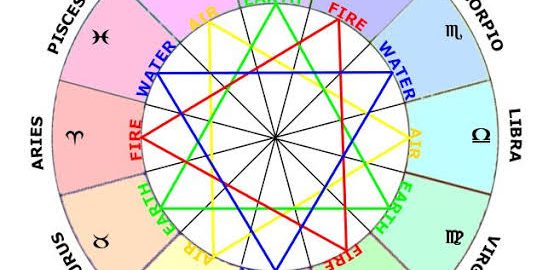
Fire is traditionally hot and dry, air hot and moist, water cold and moist, and earth cold and dry. Planets are also assigned qualitative temperaments: the Sun and Mars are generally hot, while the Moon and Saturn are generally cold, though classifications and emphasis can vary among traditional authorities. Astrologers assess these qualities through planetary condition, signs, aspects, sect, and the overall balance of a chart rather than treating one placement in isolation.

Why It Matters

Cold and hot help an astrologer describe how readily a chart expresses, contains, initiates, or stabilizes energy. A strong hot emphasis may suggest greater outward momentum, while a cold emphasis may favor reflection, preservation, or restraint. Neither quality is inherently favorable or unfavorable. Their usefulness lies in showing balance, excess, or deficiency within a broader traditional judgment, especially when evaluating temperament and planetary behavior.

Related Encyclopedia Entries

Diurnal and nocturnal

Definition

Diurnal and nocturnal mean “of the day” and “of the night.” In traditional astrology, these terms describe sect: a chart is diurnal when the Sun is above the horizon and nocturnal when the Sun is below it. Planets are also assigned to sects. The Sun, Jupiter, and Saturn are diurnal; the Moon, Venus, and Mars are nocturnal. Mercury’s sect can vary according to its relationship with the Sun.

Astrological Meaning

A planet generally operates more comfortably when its sect agrees with the chart. Jupiter tends to be especially supportive in a day chart, while Venus is often emphasized as the benefic of a night chart. Saturn is considered more constructive or manageable by day, whereas Mars may be less disruptive by night. Planets contrary to sect are not automatically harmful; they may simply require more care, context, or conscious direction. Sign, house, aspects, dignity, and condition still shape the final interpretation.

Why It Matters

Sect adds an important layer to natal, electional, and horary interpretation. It helps astrologers judge which planets are better positioned to offer support and which may express their difficult qualities more sharply. Rather than replacing modern chart analysis, the diurnal-nocturnal distinction refines planetary assessment and explains why similar placements can function differently in day and night charts.

Related Encyclopedia Entries

Planetary Colors

Definition

Planetary colors are traditional color correspondences assigned to the planets according to their perceived qualities, appearances, metals, temperaments, and mythic associations. Common examples include gold or yellow for the Sun, white or silver for the Moon, red for Mars, green for Venus, blue or purple for Jupiter, and black or dark shades for Saturn. Mercury is often linked with mixed, shifting, or multicolored tones. Specific assignments can vary among Hellenistic, medieval, Renaissance, and modern systems.

Astrological Meaning

These colors provide a symbolic vocabulary rather than an independent predictive technique. Solar gold may suggest visibility, vitality, and authority; lunar white can evoke receptivity, reflection, and change. Martial red emphasizes heat, urgency, and assertion, while Venusian green points toward growth, harmony, and attraction. Jupiter’s rich blues or purples convey abundance, wisdom, and status, whereas Saturn’s darker colors reflect restraint, age, boundaries, or solemnity. Modern astrologers sometimes extend the system to Uranus, Neptune, and Pluto, but their color correspondences are less standardized.

Why It Matters

Planetary colors can enrich chart study, planetary rituals, altar design, artwork, clothing choices, and traditional talismanic practice. They help translate abstract planetary symbolism into a direct visual form. A color does not strengthen a planet automatically or guarantee a result; its usefulness depends on context, intention, and the astrological tradition being followed. Comparing color symbolism with a planet’s sign, house, aspects, sect, and condition produces a more grounded interpretation than using color alone.

Related Encyclopedia Entries

Planetary Angels

Definition

Planetary angels are spiritual intelligences associated with the seven traditional astrological planets: the Sun, Moon, Mercury, Venus, Mars, Jupiter, and Saturn. Their names and attributes vary among religious, magical, and esoteric sources. Unlike the visible planets, planetary angels belong to a symbolic spiritual framework and are not required components of ordinary natal chart interpretation.

Astrological Meaning

In traditions that use them, planetary angels express the elevated, orderly, or sacred dimension of a planet’s symbolism. A Venus-related angel may be approached through themes of harmony and reconciliation, while a Saturn-related angel may represent discipline, boundaries, and mature understanding. Such associations supplement rather than replace analysis of planetary sign, house, aspects, dignity, and condition. Practitioners may contemplate or invoke these figures during suitable planetary days or hours, although methods differ considerably between traditions.

Why It Matters

Planetary angels matter primarily in spiritual astrology, astrological magic, and some forms of ceremonial practice. They can give practitioners a devotional or ethical way to engage with planetary forces, encouraging reflection on how each archetype might be expressed constructively. Their use depends on personal belief and lineage, so interpretations should be grounded in the specific system being followed rather than treated as universal astrological rules. In chart work, they are best understood as an optional symbolic layer alongside established techniques.

Related Encyclopedia Entries

Planetary Ages of Man

Definition

The Planetary Ages of Man is a traditional astrological model that assigns the successive stages of human life to the seven classical planets. A commonly cited sequence begins with the Moon in infancy, followed by Mercury in childhood, Venus in adolescence, the Sun in early adulthood, Mars in mature adulthood, Jupiter in later life, and Saturn in old age. Exact age boundaries can differ among traditional sources. This doctrine concerns individual life stages and should not be confused with large collective eras such as the Age of Aquarius.

Astrological Meaning

Each planetary period symbolizes qualities considered especially relevant to its stage of life. The Moon suggests dependence, nurture, and bodily growth; Mercury emphasizes learning and communication; Venus relates to attraction, pleasure, and social development. The Sun represents identity and purposeful participation in the world, while Mars highlights effort, competition, and decisive action. Jupiter is associated with judgment, perspective, and accumulated experience. Saturn signifies limitation, responsibility, reflection, and the realities of time. These are broad symbolic themes rather than fixed descriptions of every person.

Why It Matters

The model offers historical insight into how classical astrologers connected planetary symbolism with human development. It can provide a general interpretive backdrop when considering age, maturity, and changing priorities, but it does not replace analysis of the natal chart, annual techniques, transits, or personal circumstances. Used thoughtfully, the Planetary Ages of Man can help distinguish enduring developmental themes from temporary astrological conditions without treating age alone as destiny.

Related Encyclopedia Entries

Saturn, Uranus, Neptune and Pluto

Definition

Saturn, Uranus, Neptune and Pluto are slow-moving planets used to interpret long-term patterns in an astrological chart. Saturn marked the outer boundary of the planetary system in classical astrology, while Uranus, Neptune and Pluto were incorporated after their discoveries. Because they remain in each zodiac sign for years, their sign placements are often shared by entire generations.

Astrological Meaning

Saturn is associated with structure, responsibility, limits, endurance and maturity. Uranus represents disruption, independence, innovation and awakening. Neptune relates to imagination, spirituality, ideals, compassion and blurred boundaries. Pluto symbolizes deep transformation, power, elimination and renewal. In a natal chart, their houses, aspects and relationships with personal planets help show how these broad themes may become personally significant. Saturn often operates on both personal and collective levels, while Uranus, Neptune and Pluto usually require close aspects or prominent chart positions to stand out strongly in individual interpretation.

Why It Matters

Understanding these planets helps distinguish personal chart dynamics from wider social and generational influences. Their long cycles can describe periods of sustained development rather than isolated events. They are best interpreted alongside the Sun, Moon, Ascendant, houses and aspects, with attention to the difference between traditional techniques and modern astrological practice.

Related Encyclopedia Entries

