
All posts by admin

Void of Course

Definition

Void of Course describes a planet—most commonly the Moon—that will not complete another major applying aspect before leaving its current zodiac sign. Astrologers often use conjunctions, sextiles, squares, trines, and oppositions when making this determination. Traditional authorities have not always applied the term identically, so the chosen definition and aspect rules should be stated clearly.

Astrological Meaning

A Void of Course Moon is especially relevant in horary and electional astrology. It may suggest that a situation lacks momentum, proceeds without major developments, or does not produce the expected result. This condition is not automatically negative: reduced activity can be suitable for routine work, reflection, rest, or matters intended to remain unchanged. Interpretation also depends on the Moon’s sign, condition, house placement, and the wider chart. Some traditional approaches recognize exceptions, including signs where the Moon retains particular strength.

Why It Matters

Recognizing a Void of Course period helps astrologers judge timing and distinguish active, developing circumstances from those that may drift or conclude quietly. In natal astrology, it should not be treated as proof that a person is ineffective or emotionally disconnected. Instead, it can be considered alongside lunar aspects, dignity, house position, and the chart as a whole. Because calculation methods differ, checking the interpretive tradition being used prevents overly broad conclusions.

Related Encyclopedia Entries

Voice, Signs of

Definition

Voice, Signs of is a traditional astrology term for chart factors believed to describe a person’s vocal manner, tone, expressiveness, or use of speech. Here, “signs” means indications in the horoscope rather than a single group of zodiac signs. Interpretation usually draws on several placements instead of relying on one isolated symbol.

Astrological Meaning

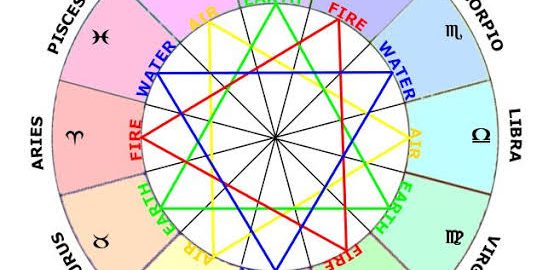
Mercury is the principal planet associated with speech, language, and communication. Its zodiac sign may suggest vocal style, while its house and aspects can show where and how expression becomes prominent. The second house, its ruler, and planets placed there are also examined because this house is traditionally connected with the voice. Some astrologers consider the Ascendant, its ruler, Venus, and the Moon for additional clues about delivery, rhythm, charm, and emotional coloring. Sign elements and modalities may refine the picture: fire can indicate animated expression, earth measured delivery, air verbal flexibility, and water an emotionally responsive tone. These are symbolic tendencies, not fixed physical descriptions.

Why It Matters

Studying indications of voice can add detail to natal-chart interpretation, especially when exploring communication, performance, teaching, persuasion, or self-presentation. The most useful reading compares Mercury and second-house factors with the chart as a whole. Contrasting indications may describe a varied voice—for example, reserved in unfamiliar settings but lively when discussing familiar subjects—rather than a contradiction that must be resolved.

Related Encyclopedia Entries

Vocal Signs

Definition

Vocal Signs are zodiac signs traditionally associated with speech, language, and the human voice. Most classical lists include Gemini, Virgo, Libra, and Aquarius, which are also called human or humane signs because their symbols depict human figures. Terminology can vary between authors, so the classification should be understood within the astrological system being used.

Astrological Meaning

When a relevant planet, house ruler, Ascendant, or significator occupies a Vocal Sign, traditional astrologers may treat speech, conversation, testimony, or communication as especially prominent. For example, Mercury in a Vocal Sign can reinforce themes of verbal expression, while the ruler of the second or third house placed there may emphasize voice, language, or message-bearing. The sign alone does not determine eloquence or speaking ability. Planetary condition, house placement, aspects, sect, and Mercury’s overall strength help clarify whether expression is fluent, restrained, formal, persuasive, or complicated.

Why It Matters

This classification adds nuance when interpreting questions involving speakers, messengers, negotiations, announcements, or testimony. In natal work, it can highlight how strongly verbal exchange participates in a person’s broader style of self-expression. Vocal Signs are most useful as supporting testimony rather than a stand-alone judgment, especially because traditional classifications overlap and differ among sources.

Related Encyclopedia Entries

Vital Signs

Definition

Vital Signs is a loosely used astrological term for chart factors associated with vitality, physical presence, and the expression of life force. It is not a universally standardized classical category. Depending on the astrologer, it may include the Sun, Moon, Ascendant, ruler of the Ascendant, first house, and traditional indicators such as the hyleg, alcocoden, or planetary condition.

Astrological Meaning

Interpretation begins by examining each factor separately. The Sun can describe central purpose and sustaining energy, while the Moon is linked with bodily rhythms and responsiveness. The Ascendant and its ruler traditionally signify embodiment, temperament, and the native’s manner of engaging with life. Their signs, houses, aspects, sect, dignity, and condition may suggest how vitality is expressed or managed. Classical techniques involving the hyleg and alcocoden belong to specialized longevity doctrines and should not be confused with ordinary natal interpretation.

Why It Matters

Vital Signs can provide a structured way to discuss resilience, pace, and energetic style without reducing the chart to a single placement. Strongly supported significators may indicate accessible resources or steadiness, while challenged factors can point to areas requiring balance and conscious attention. These symbols should not be used to diagnose illness or predict lifespan. Historical longevity methods vary considerably and are best studied in context, with cautious language and clear ethical limits.

Related Encyclopedia Entries

Violent Signs

Definition

Violent Signs is an older term from traditional astrology for zodiac signs associated with force, conflict, injury, or abrupt events. A commonly cited list includes Aries, Libra, Scorpio, Capricorn, and Aquarius, although classifications vary among historical authorities. The label describes a symbolic category, not the character or inevitable behavior of people born under these signs.

Astrological Meaning

Traditional astrologers considered Violent Signs when judging subjects such as disputes, accidents, danger, or the manner in which an event might unfold. Their relevance depended on specific chart factors, including the Ascendant, its ruler, the Moon, planetary condition, house placement, and aspects from malefic planets. A sign alone was not normally sufficient testimony. In modern interpretation, the category may be understood more constructively as emphasizing intensity, pressure, decisive action, resistance, or disruptive change, depending on the complete chart and the question being asked.

Why It Matters

Understanding this term helps readers interpret older astrological texts without taking their language literally or fatalistically. Historical authors often used severe labels as technical shorthand within a larger system of chart judgment. Recognizing that context prevents the category from becoming a stereotype or a prediction of harmful conduct. When used today, Violent Signs are best treated as one minor traditional consideration whose meaning must be moderated by planetary dignity, aspects, houses, timing techniques, and the astrologer’s ethical judgment.

Related Encyclopedia Entries

Vibrations

Definition

In astrological language, vibrations are the perceived qualities or patterns associated with planets, signs, houses, and aspects. The term suggests that each factor expresses a distinctive tone that can resonate with other chart factors. It is largely metaphorical rather than a precisely defined principle of classical astrology.

Astrological Meaning

An astrologer may describe a planet’s vibration as its characteristic mode of expression: Mars is active and assertive, Venus seeks harmony and connection, and Saturn emphasizes structure and restraint. Signs modify that tone, houses indicate the life areas in which it may appear, and aspects describe how different planetary patterns interact. In a natal chart, compatible vibrations may suggest ease or reinforcement, while contrasting ones can indicate tension, adjustment, or productive complexity. Interpretation should still rely on established chart factors rather than treating vibration as a separate measurable force.

Why It Matters

The idea of vibrations offers accessible shorthand for describing how multiple symbols combine into an overall chart atmosphere. It can help explain why the same planet feels different across signs, houses, and aspects. Because the term is broad, however, it is most useful when tied to specific placements and traditional interpretive techniques instead of being used as a vague claim about energy.

Related Encyclopedia Entries

