
category: Astrology Encyclopedia

Transit Venus Trine Natal Sun

Definition

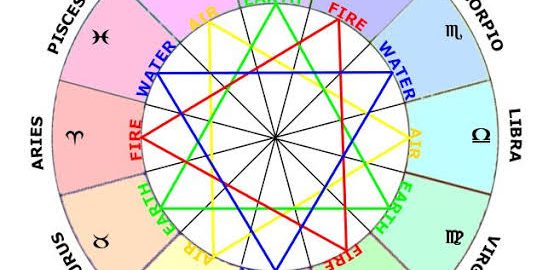
Transit Venus trine natal Sun occurs when Venus moving through the current sky forms a 120-degree angle to the Sun’s position in a birth chart. Transiting Venus represents temporary themes involving affection, pleasure, values, beauty, and social connection. The natal Sun describes enduring identity, vitality, confidence, and creative purpose. A trine is generally associated with ease and cooperation between these factors.

Astrological Meaning

This transit may coincide with greater social ease, warmth, charm, or appreciation. Relationships can feel more harmonious because Venus supports the natal Sun’s desire for authentic self-expression. Creative activities, personal presentation, recreation, and diplomatic conversations may flow more naturally. It can also be a pleasant period for recognizing what feels genuinely valuable or enjoyable. Because Venus moves relatively quickly, the influence is usually brief and subtle unless it activates other important chart placements.

Why It Matters

Astrologers may use this transit to identify a favorable window for connection, artistic expression, celebration, or restoring balance without treating it as a guarantee of romance or success. Its easy quality can encourage receptivity, but it may also pass unnoticed if no action is taken. The houses occupied by transiting Venus and the natal Sun show where the supportive exchange is most likely to be experienced, while other concurrent transits provide essential context.


Related Encyclopedia Entries

Transit Mercury Quincunx Natal Pluto

Definition

Transit Mercury quincunx natal Pluto occurs when moving Mercury forms a 150-degree angle to Pluto’s position in a birth chart. Mercury represents communication, reasoning, information, and everyday decisions. Natal Pluto describes enduring themes involving power, privacy, psychological depth, and transformation. The quincunx is an aspect of mismatch that often calls for adjustment.

Astrological Meaning

During this brief transit, ordinary conversations or new information may activate deeper concerns than expected. A person might become unusually intent on finding hidden motives, proving a point, or controlling how something is understood. At the same time, thoughts and words may not easily express the complex material associated with natal Pluto. Productive use of the transit can involve revising an argument, questioning assumptions, researching carefully, or changing an unhelpful communication pattern. Because Mercury moves quickly, the effect is usually short-lived unless other transits reinforce it.

Why It Matters

This transit can highlight where curiosity becomes fixation or where guarded reactions interfere with clear dialogue. It invites a balance between perceptive thinking and excessive suspicion. Pausing before responding, checking facts, and allowing difficult subjects to unfold gradually may help. Its expression depends on Mercury’s transiting house, Pluto’s natal house and sign, and other active chart factors.

Related Encyclopedia Entries

Transit Mercury Sextile Natal Pluto

Definition

Transit Mercury sextile natal Pluto occurs when moving Mercury forms a 60-degree angle to Pluto’s position in the birth chart. Mercury represents thought, speech, information, and everyday decisions, while natal Pluto describes enduring themes of depth, power, transformation, and psychological insight. A sextile is generally considered a supportive aspect that offers opportunities requiring conscious participation.

Astrological Meaning

During this relatively brief transit, the mind may become more focused, perceptive, or willing to examine what lies beneath the surface. Conversations can address sensitive subjects with greater clarity, and research, investigation, strategy, or reflective writing may prove productive. Because Mercury is the transiting planet, immediate events often involve messages, discussions, learning, or choices; natal Pluto indicates the deeper personal material being stimulated. The aspect can support persuasive communication, although awareness of secrecy, fixation, or attempts to control a discussion remains helpful.

Why It Matters

This transit may provide a useful opening for understanding a complicated issue, recognizing hidden motives, or putting difficult experiences into words. Its constructive potential is strongest when curiosity replaces suspicion and influence is used ethically. Since Mercury moves quickly, the effect is usually short-lived unless it repeats through retrograde motion or connects with other active transits. The houses occupied by natal Pluto and transiting Mercury show where deeper inquiry and meaningful communication are most likely to arise.

Related Encyclopedia Entries

Transit Mercury Trine Natal Neptune

Definition

Transit Mercury trine natal Neptune occurs when moving Mercury forms an angle of approximately 120 degrees to Neptune’s position in the birth chart. Mercury symbolizes thinking, speech, information, and everyday exchanges, while natal Neptune describes enduring patterns involving imagination, intuition, ideals, and sensitivity. The trine is traditionally considered a flowing aspect, suggesting that these different functions may cooperate with relatively little friction.

Astrological Meaning

This short-lived transit may support imaginative thought, compassionate communication, creative writing, music, symbolism, meditation, or reflection on subtle impressions. Ideas can arrive through images, feelings, or associations rather than strictly linear reasoning. It may be easier to express an elusive mood or understand what another person is implying. However, Neptune can soften boundaries and blur details, so inspiration is best balanced with fact-checking, especially when handling schedules, instructions, agreements, or important messages.

Why It Matters

Because Mercury moves quickly, this transit usually describes a temporary mental atmosphere rather than a major life chapter. It can be useful for brainstorming, artistic work, spiritual study, or conversations requiring empathy and tact. Its expression depends on Mercury’s transiting house, Neptune’s natal house and aspects, and the wider chart. Used consciously, it may help translate intuition into language without treating every impression as literal truth.

Related Encyclopedia Entries

Transit Mercury Conjunct Natal Neptune

Definition

Transit Mercury conjunct natal Neptune occurs when moving Mercury reaches the same zodiacal degree as Neptune occupied at birth. Mercury symbolizes thought, speech, information, and everyday exchanges, while Neptune is associated with imagination, intuition, ideals, and blurred boundaries. The conjunction combines their themes, creating a brief period—usually measured in days—when Mercury activates the natal Neptune placement.

Astrological Meaning

This transit may heighten symbolic thinking, empathy, creative inspiration, and sensitivity to tone or atmosphere. Dreams, music, poetry, spiritual reflection, and visual imagination can become especially absorbing. At the same time, facts may be harder to separate from assumptions, wishes, or subtle impressions. Its expression depends on natal Neptune’s sign, house, and aspects, along with the houses Mercury rules in the birth chart. Other concurrent transits can strengthen or moderate the pattern. It generally favors exploratory thought more than rigid conclusions.

Why It Matters

Awareness of this transit can help a person use its imaginative potential without overlooking practical details. It may be helpful to record ideas, ask clarifying questions, verify appointments, and reread important messages before acting. In conversation, listening for nuance can be valuable, but presumed mind-reading should not replace direct communication. The transit does not guarantee confusion or revelation; it describes a temporary climate in which intuition and ambiguity may both deserve attention.

Related Encyclopedia Entries

Transit Venus Quincunx Natal Mars

Definition

Transit Venus quincunx natal Mars occurs when Venus moving through the current sky forms a 150-degree angle to Mars in a birth chart. Transiting Venus describes temporary developments involving attraction, pleasure, relationships, money, and social harmony. Natal Mars represents an enduring style of pursuing desires, asserting oneself, competing, and taking action. The quincunx links signs with little obvious common ground, often calling for adjustment rather than direct resolution.

Astrological Meaning

This transit may highlight a mismatch between what feels pleasant or socially appropriate and what one wants to do. Attraction can be present, yet timing, expectations, or methods may not align easily. A person might alternate between accommodating others and acting impulsively, or notice tension between spending for enjoyment and directing resources toward a goal. Because Venus moves relatively quickly, the influence is usually brief unless it activates other important chart factors. Its expression also depends on the houses involved, Venus’s sign, and the condition of natal Mars.

Why It Matters

The value of this transit lies in noticing small points of friction before they become unnecessary conflict. It can be a useful time to refine requests, reconsider compromises, and find constructive outlets for desire or frustration. Neither Venus nor Mars must dominate; modest changes in tone, pacing, boundaries, or expectations may help them cooperate. In relationship work, the transit can encourage clearer distinctions between affection, attraction, consent, and shared priorities rather than assuming that everyone wants the same thing.

Related Encyclopedia Entries