
category: Astrology Encyclopedia

Transit Uranus Quincunx Natal Pluto

Definition

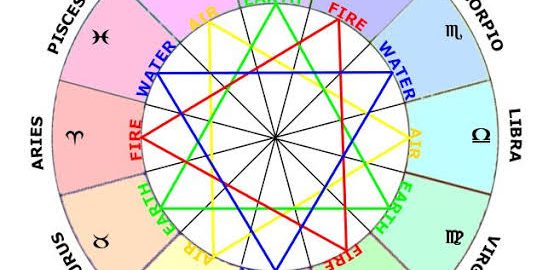
Transit Uranus quincunx natal Pluto occurs when Uranus in the current sky forms a 150-degree angle to Pluto’s position in a birth chart. Uranus symbolizes disruption, innovation, independence, and awakening, while natal Pluto describes deeply rooted patterns involving power, control, survival, and transformation. The quincunx links signs that share neither an element nor a modality, creating tension that often calls for adjustment rather than direct confrontation.

Astrological Meaning

This long-lasting transit may coincide with a period when unexpected developments challenge established ways of handling influence, pressure, or major change. Uranus can unsettle Plutonian habits that have become rigid or unconscious, revealing where control conflicts with the need for freedom. The process may feel indirect: changes in circumstances, priorities, or relationships can expose an underlying pattern without immediately suggesting a solution. Because both planets move slowly, the aspect can recur over many months and may describe a gradual reorientation rather than one isolated event.

Why It Matters

Understanding this transit can help identify where flexibility is needed during a subtle but significant transition. Constructive responses may include questioning compulsive reactions, allowing outdated strategies to evolve, and experimenting with change without forcing immediate results. Its expression depends on the houses involved, Pluto’s natal aspects, Uranus’s broader transit pattern, and the rest of the chart. It does not guarantee crisis; it suggests a period in which adaptation may support deeper renewal and greater personal autonomy.


Related Encyclopedia Entries

Transit Uranus Trine Natal Pluto

Definition

Transit Uranus trine natal Pluto occurs when Uranus in the current sky forms a 120-degree angle to Pluto’s position in a birth chart. Uranus represents disruption, liberation, innovation, and awakening, while natal Pluto describes an individual’s underlying relationship with power, transformation, control, and regeneration. The trine is generally considered a flowing aspect, allowing these distinct influences to cooperate with relatively little friction.

Astrological Meaning

This long-lasting transit may coincide with a gradual readiness to change entrenched patterns or approach personal power differently. Uranus can stimulate the transformative potential of natal Pluto, encouraging experimentation with systems, commitments, or psychological habits that have become restrictive. Rather than producing a single dramatic event, it often describes a period in which meaningful reform feels more possible. Its expression depends on Pluto’s natal house, Uranus’s transiting house, other active aspects, and the broader birth chart.

Why It Matters

Because both Uranus and Pluto move slowly, this transit can remain active for an extended period and may be experienced by many people of a similar generation. Its personal importance increases when it contacts chart angles, house rulers, or other natal planets. Astrologers may use it to identify opportunities for constructive reinvention, greater independence, or a healthier engagement with influence and change. The trine can make change easier to access, but conscious choices still determine how its potential is expressed.

Related Encyclopedia Entries

Sun Opposite Pluto in Synastry

Definition

Sun opposite Pluto in synastry occurs when one person’s Sun is approximately 180 degrees from the other person’s Pluto. Synastry compares two birth charts to explore relationship dynamics. The Sun represents identity, vitality, purpose, and self-expression, while Pluto is associated with power, intensity, psychological depth, transformation, and control. The opposition highlights tension between these contrasting yet potentially complementary forces.

Astrological Meaning

This aspect may create a compelling bond in which both people strongly affect one another. The Sun person can feel deeply seen, challenged, or pressured by the Pluto person, while the Pluto person may feel fascinated by the Sun person’s confidence or individuality. Questions involving influence, vulnerability, jealousy, authority, or emotional honesty can become prominent. At its most constructive, the connection encourages self-awareness and meaningful change. When handled poorly, it may contribute to power struggles, fixation, manipulation, or resistance. These possibilities are not inevitable; maturity, boundaries, and the rest of the synastry chart shape how the aspect is expressed.

Why It Matters

Sun opposite Pluto matters because it can reveal where attraction and personal growth become entangled with control or fear of losing influence. Recognizing this pattern can help both people communicate directly, respect autonomy, and avoid treating intensity as proof of compatibility. Astrologers should also examine the aspect’s orb, house placements, natal conditions of the Sun and Pluto, and supportive contacts involving the Moon, Venus, Saturn, or Mercury before drawing conclusions about the relationship.

Related Encyclopedia Entries

Sun Conjunct Mars in Synastry

Definition

Sun conjunct Mars in synastry occurs when one person’s Sun occupies the same or a very close zodiacal degree as the other person’s Mars. The Sun represents identity, purpose, confidence, and self-expression, while Mars describes desire, initiative, sexuality, and the way someone pursues goals. A conjunction combines these functions directly, making the connection noticeable to both people.

Astrological Meaning

This aspect can create strong attraction, stimulation, and a shared appetite for action. The Mars person may energize, challenge, or pursue the Sun person, while the Sun person may give focus and recognition to Mars’s drive. Together, they may motivate each other to take risks, compete, create, or accomplish practical goals. However, the same intensity can produce impatience, bruised pride, or arguments if Mars feels blocked or the Sun feels pushed. Its expression depends on the conjunction’s orb, sign, house placement, and aspects from other planets.

Why It Matters

Sun conjunct Mars can reveal where a relationship feels especially alive and proactive. It is neither automatic compatibility nor a guarantee of conflict. The aspect is most constructive when both people respect boundaries, channel competitiveness into shared aims, and allow direct communication without turning every disagreement into a contest. The complete synastry chart shows whether this heat is supported by emotional understanding, stability, and cooperation.

Related Encyclopedia Entries

Sun Sextile Venus in Synastry

Definition

Sun sextile Venus in synastry occurs when one person’s Sun forms an angle of approximately 60 degrees to the other person’s Venus. The Sun represents identity, vitality, and self-expression, while Venus describes affection, attraction, values, and relating style. A sextile is generally considered a cooperative aspect whose potential develops through active engagement.

Astrological Meaning

This connection can support warmth, appreciation, and social ease between two people. The Venus person may enjoy the Sun person’s character or confidence, while the Sun person may feel liked, welcomed, or creatively encouraged by Venus. Romantic attraction is possible, but the aspect can also benefit friendships, family relationships, and professional partnerships. Because a sextile is less insistent than a conjunction or opposition, its harmony may be pleasant but understated. Signs, houses, aspect precision, and each person’s natal condition of the Sun and Venus refine the interpretation.

Why It Matters

Sun sextile Venus may help partners express fondness, share enjoyable experiences, and handle differences with goodwill. It does not guarantee compatibility or commitment, since communication patterns, emotional needs, boundaries, and other synastry contacts remain important. Its value often lies in providing a supportive thread of mutual regard that can make cooperation feel more natural when both people choose to cultivate it.

Related Encyclopedia Entries

Sun Trine Venus in Synastry

Definition

Sun trine Venus in synastry occurs when one person’s Sun forms an angle of approximately 120 degrees to the other person’s Venus. The Sun represents identity, vitality, and self-expression, while Venus describes affection, attraction, values, pleasure, and relating. A trine indicates an easy flow between these two functions.

Astrological Meaning

This aspect can create natural warmth, appreciation, and social ease. The Venus person may find the Sun person attractive or admirable, while the Sun person may feel liked, encouraged, and accepted by Venus. Shared tastes, affectionate gestures, and enjoyment of one another’s company may come readily. The connection can support romance, friendship, creative collaboration, or harmonious family relationships. Because trines operate smoothly, both people may take the goodwill for granted rather than consciously developing it. The complete interpretation depends on the signs, houses, aspect orb, and condition of both planets, as well as other synastry contacts.

Why It Matters

Sun trine Venus is often considered supportive for compatibility because it helps two people express fondness without excessive friction. It does not guarantee commitment, emotional depth, or lasting harmony, but it may soften more difficult chart contacts and make cooperation easier. Comparing the aspect in both natal-chart contexts shows how each person experiences affection, recognition, and shared pleasure within the relationship.

Related Encyclopedia Entries