
category: Astrology Encyclopedia

Sun Opposite Sun in Synastry

Definition

Sun Opposite Sun in synastry occurs when one person’s natal Sun is approximately 180 degrees from the other person’s Sun. The Sun represents identity, vitality, purpose, and conscious self-expression, while an opposition links two contrasting yet complementary positions. Its strength depends partly on the aspect’s orb and the condition of both Suns.

Astrological Meaning

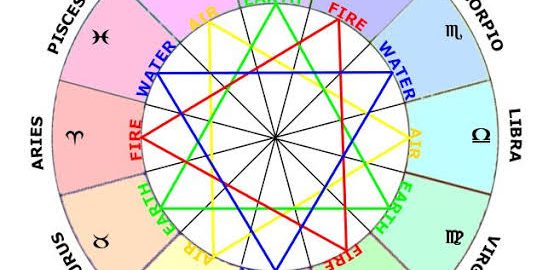
This aspect may create strong awareness between two people. Each person can embody qualities the other finds compelling, unfamiliar, or challenging. Their different approaches to self-expression may encourage balance and growth, but they can also produce competition, polarization, or disagreements over direction. One person’s priorities may seem to confront the other’s sense of purpose. Because opposite zodiac signs share a modality, the pair may approach life with similar momentum while pursuing contrasting aims. Constructive expression often involves respecting separate identities rather than expecting one partner to mirror the other. Sign placements, house overlays, and supportive contacts involving the Moon, Venus, Mercury, or Saturn can substantially modify the dynamic.

Why It Matters

Sun–Sun opposition highlights compatibility at the level of identity and life orientation, but it does not determine whether a relationship will succeed. It can describe a partnership energized by difference, provided both people make room for mutual recognition. The complete synastry chart, each natal chart, and the individuals’ choices offer the necessary context for judging attraction, tension, and long-term cooperation.


Related Encyclopedia Entries

Transit Pluto Quincunx Natal Moon

Definition

Transit Pluto quincunx natal Moon occurs when moving Pluto forms a 150-degree angle to the Moon’s position in a birth chart. Pluto is associated with deep change, power, elimination, and renewal, while the natal Moon describes emotional habits, instinctive reactions, security needs, and early conditioning. The quincunx links signs that share neither an element nor a modality, creating a need for ongoing adjustment rather than direct confrontation.

Astrological Meaning

This transit may coincide with subtle but persistent pressure to revise familiar emotional patterns. Private feelings, family dynamics, domestic arrangements, or attachments that once provided security can seem less comfortable without being obviously wrong. Pluto may intensify buried reactions, while the quincunx makes their source difficult to identify at first. The task is often to recognize where control, avoidance, or compulsive caretaking has replaced genuine emotional responsiveness. Because Pluto moves slowly, the aspect can repeat over many months and develop in stages.

Why It Matters

Understanding this transit can help a person work consciously with emotional change instead of forcing an immediate solution. Small adjustments to boundaries, routines, living conditions, and methods of self-soothing may be more constructive than dramatic action. Journaling, honest reflection, and supportive conversation can clarify what needs to be released or renegotiated. Interpretation should also consider the Moon’s sign, house, natal aspects, Pluto’s transiting house, and the exact timing of direct and retrograde contacts. This aspect does not guarantee crisis; it suggests a period when emotional resilience may grow through careful adaptation.

Related Encyclopedia Entries

Transit Pluto Trine Natal Sun

Definition

Transit Pluto trine natal Sun occurs when moving Pluto forms an angle of approximately 120 degrees to the Sun’s position in a birth chart. Pluto symbolizes deep transformation, power, elimination, and renewal, while the natal Sun represents identity, vitality, purpose, and self-expression. The trine is generally associated with a supportive, flowing connection between these factors.

Astrological Meaning

This long-term transit may coincide with a gradual strengthening of personal authority and a clearer sense of purpose. Pluto can encourage the individual to examine underlying motives, release an outdated identity, or concentrate energy on goals that feel deeply meaningful. Because the aspect is a trine, change may unfold through opportunities, inner readiness, or constructive influence rather than obvious disruption. Leadership abilities, resilience, focus, and persuasive presence can become more noticeable. However, the ease of a trine can make its possibilities less visible unless they are consciously used. The house occupied by the natal Sun shows where identity and confidence may be renewed, while transiting Pluto’s house describes the life area through which transformative pressure or resources emerge.

Why It Matters

Pluto moves slowly, so this transit can shape an extended developmental period rather than a single event. It matters because it may support sustained self-reinvention, greater psychological honesty, and more deliberate use of influence. Other transits, natal aspects to the Sun, house placements, and the person’s circumstances determine how strongly the theme is experienced.

Related Encyclopedia Entries

Transit Neptune Quincunx Natal Moon

Definition

Transit Neptune quincunx natal Moon occurs when moving Neptune forms a 150-degree angle to the Moon’s position in a birth chart. Neptune is associated with imagination, sensitivity, spirituality, ideals, and blurred boundaries. The natal Moon represents emotional habits, instinctive needs, memories, and one’s sense of security. A quincunx indicates two factors that do not integrate easily, often calling for adjustment rather than direct confrontation.

Astrological Meaning

During this transit, emotional responses may feel unusually subtle, changeable, or difficult to define. Neptune can heighten empathy and imagination while making familiar Moon-based needs less clear. A person may absorb surrounding moods, idealize a source of comfort, or feel uncertain about what would provide genuine emotional nourishment. The quincunx suggests a mismatch between sensitivity and established coping patterns. Its expression depends on the Moon’s sign, house, and natal aspects, as well as the house through which Neptune is transiting. Because Neptune moves slowly, the theme may unfold gradually and return during retrograde passes.

Why It Matters

This transit can encourage more conscious emotional boundaries and a gentler examination of ingrained habits. Creative practice, reflection, rest, and clear communication may help channel its sensitivity constructively. Rather than treating confusion as a prediction of loss or deception, astrologers can view it as a signal to pause, verify impressions, and adjust routines that no longer support emotional balance.

Related Encyclopedia Entries

Transit Neptune Sextile Natal Moon

Definition

Transit Neptune sextile natal Moon occurs when moving Neptune forms a 60-degree angle to the Moon’s position in a birth chart. Neptune symbolizes imagination, spirituality, compassion, and blurred boundaries, while the natal Moon describes emotional needs, habits, memories, and instinctive responses. The sextile is generally considered a cooperative aspect that presents subtle opportunities rather than forcing events.

Astrological Meaning

This transit may heighten sensitivity, empathy, intuition, and receptivity to dreams or symbolic impressions. Emotional life can feel gentler, more imaginative, or more connected to music, art, spirituality, and private reflection. Because Neptune is the transiting planet, it gradually influences the natal Moon’s familiar emotional patterns. The sextile can make inspiration easier to access, but its benefits usually require conscious participation. Clear boundaries and practical judgment remain helpful, especially when compassion leads to idealizing another person or avoiding an uncomfortable feeling.

Why It Matters

Neptune moves slowly, so this influence can unfold over many months and may repeat because of retrograde motion. It can mark a useful period for creative work, emotional reflection, forgiveness, or exploring contemplative practices. Its expression depends on the Moon’s sign, house, natal aspects, and current circumstances. Tracking exact passes can clarify when the transit feels strongest and how its themes develop over time.

Related Encyclopedia Entries

Transit Uranus Opposite Natal Pluto

Definition

Transit Uranus opposite natal Pluto occurs when Uranus in the current sky forms a 180-degree angle to Pluto’s position in a birth chart. Uranus symbolizes disruption, innovation, freedom, and awakening, while natal Pluto describes deeply rooted patterns involving power, control, survival, and transformation. The opposition highlights tension between these different forces.

Astrological Meaning

This long-lasting transit may coincide with pressure to confront entrenched habits, power dynamics, or structures that no longer allow sufficient growth. Transiting Uranus can introduce unexpected developments or a strong desire for independence, while natal Pluto shows where change may feel intense or difficult to control. The experience may involve conflict between preserving familiar sources of security and making a decisive break. Its expression depends on Pluto’s natal house, Uranus’s transiting house, other aspects, and the broader condition of the chart.

Why It Matters

Astrologers use this transit to identify a period when flexibility and conscious change may be especially valuable. Rather than predicting unavoidable upheaval, it can describe an opportunity to examine compulsive reactions, renegotiate control, and release outdated attachments. Because Uranus moves slowly, the opposition can occur several times through retrograde motion, allowing its themes to unfold gradually and be approached with increasing awareness.

Related Encyclopedia Entries