Dream Interpretation: Top 10 Dreams
Dream Interpretation has fascinated people for centuries because they seem to weave together emotion, memory, and imagination into stories that feel real while we are experiencing them. While some dreams appear random, many of the most common ones follow recognizable patterns that invite reflection and interpretation. These recurring dream themes often emerge during times of stress, transition, or emotional uncertainty, using dramatic imagery to express feelings that may be difficult to acknowledge while awake. Rather than predicting literal events, they usually serve as symbolic messages that reveal concerns about control, security, relationships, or personal confidence.
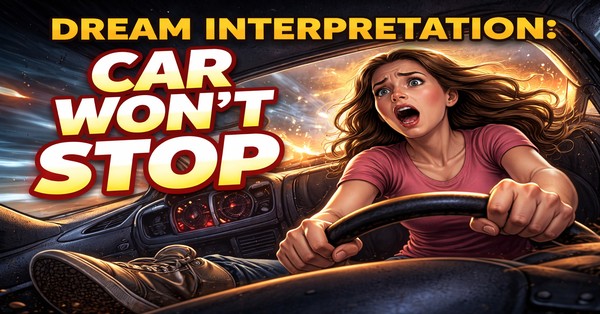
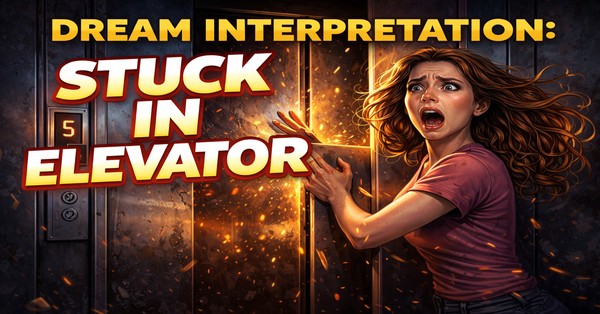
Across cultures and generations, certain dream scenarios appear with striking consistency. People frequently report dreaming of a plane crash, taking a final exam without having studied, or suddenly losing their teeth. Others describe falling from great heights, being stuck in an elevator, or realizing that a car they are driving will not stop. Although the details may vary, the emotional tone behind these dreams is often similar: anxiety about being unprepared, losing control, or facing situations that feel overwhelming. The mind tends to choose bold, unforgettable images because they effectively capture the intensity of these inner emotional states.
Dreams about falling or crashing often symbolize instability or fear of failure, especially during periods of major change. When someone dreams of falling from heights, it can mirror feelings of insecurity about work, finances, or personal relationships. Likewise, a plane crash may represent worries that plans or long-term goals are veering off course. These dreams rarely point to physical danger; instead, they reflect the psychological experience of feeling that life is moving too quickly or unpredictably. The subconscious uses motion and gravity as metaphors for how secure—or insecure—we feel in our waking lives.
Other dreams highlight a sense of being blocked or unable to move forward. Being stuck in an elevator, trapped in a confined space, or feeling completely immobilized in a situation can represent frustration, indecision, or the sense that progress has stalled. A car that will not stop, on the other hand, often reflects the opposite fear: that life is accelerating in a direction that feels difficult to control. Both types of dreams revolve around movement and momentum, showing how strongly the mind associates physical motion with emotional progress and personal agency.
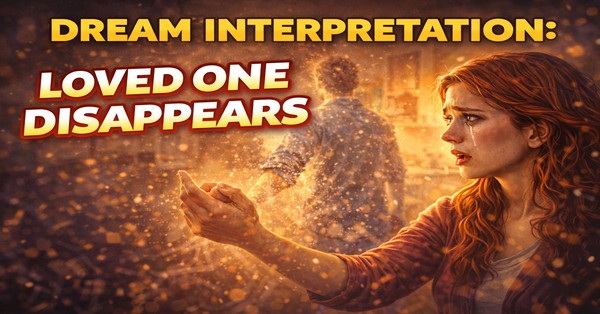
Themes of pursuit and disappearance also appear frequently. Being chased in a dream is commonly linked to avoidance—running from a responsibility, confrontation, or truth that feels uncomfortable to face directly. Similarly, dreaming that a loved one suddenly disappears can symbolize fears of abandonment, emotional distance, or major changes in a relationship dynamic. These dreams do not suggest that such events will literally occur; rather, they reveal how deeply we value connection and stability, and how unsettling it can feel when those bonds seem uncertain or threatened.
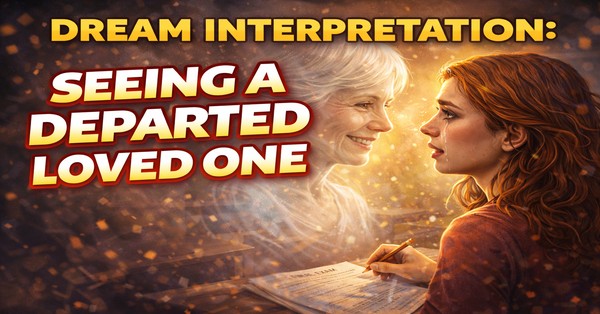
One of the most emotionally powerful dream experiences involves seeing a departed loved one alive and present. Such dreams often leave a lasting impression because they blend grief with comfort, memory with longing. Psychologically, they may reflect the mind’s attempt to maintain a sense of connection while continuing to process loss. Instead of signaling anything mystical, these dreams frequently serve as a gentle way for the psyche to revisit meaningful memories and integrate them into ongoing emotional healing.
Taken together, these recurring dream themes illustrate how the sleeping mind translates complex feelings into simple, visual narratives. Fear becomes falling, pressure becomes an exam, and emotional distance becomes disappearance. By recognizing these patterns, individuals can begin to understand how their dreams mirror real-life concerns about preparedness, control, relationships, and self-worth. The following dream interpretation guide explores ten of the most commonly reported dream experiences and explains the symbolic meanings they may hold within the dreamer’s emotional and psychological landscape.
Below are the top 10 Common Dreams.