
.83¢/min Intro Offer

We Charge 60% LESS than our competitors!

All Psychics tested before hire.

category: Astrology Encyclopedia

Opposition

Definition

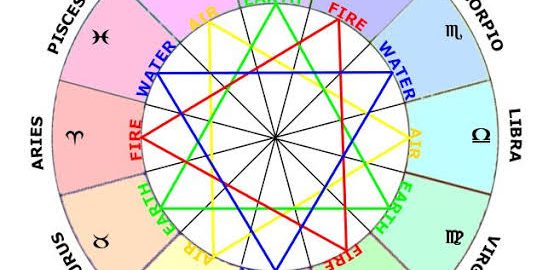
An opposition is a major astrological aspect formed when two planets or chart points are approximately 180 degrees apart. They occupy opposite sides of the zodiac and usually appear in signs with complementary polarities, such as Aries and Libra. The permitted distance from exactness, called the orb, varies according to the planets involved and the astrologer’s method.

Astrological Meaning

Oppositions symbolize polarity, awareness, and the need to negotiate between two distinct drives. Unlike a conjunction, which blends planetary energies, an opposition places them face to face. In a natal chart, it may describe an inner tension that is experienced through relationships or contrasting circumstances. During a transit, a moving planet opposing a natal factor can highlight decisions, feedback, or temporary pressure. In synastry, planets in opposition may create attraction and mutual recognition, though differences in style or priorities often require conscious cooperation.

Why It Matters

This aspect matters because it can reveal where balance is developed through contrast. Neither side must defeat the other; the task is often to recognize the value and limits of both. Interpretation depends on the planets, signs, houses, exactness, and the wider chart. When handled constructively, an opposition may support perspective, compromise, and productive exchange. If neglected, it can coincide with projection or repeated swings between extremes, but it does not guarantee conflict or a particular outcome.

Related Encyclopedia Entries

Omniverse

Definition

Omniverse is a modern metaphysical and cosmological term for the totality of all possible universes, realities, dimensions, or timelines. It is broader than “universe” and is sometimes treated as broader than “multiverse.” Omniverse is not a standard technical term in classical astrology, whose methods focus on the observable heavens and their symbolic relationship to earthly life.

Astrological Meaning

In astrology-related spiritual writing, the omniverse may represent an all-encompassing order within which planets, signs, houses, and cycles operate. Some astrologers use the idea to discuss interconnectedness, multiple levels of experience, or the possibility that a natal chart reflects one expression within a much larger cosmic pattern. This usage is philosophical rather than a defined chart factor: the omniverse has no traditional rulership, house, aspect, or calculation. Its meaning therefore depends on the author’s metaphysical framework and should not be confused with established astrological terminology.

Why It Matters

Understanding the term helps readers separate symbolic cosmology from practical chart technique. It can provide a broad conceptual setting for discussions of fate, free will, spiritual development, and cosmic unity, but it does not independently change a natal or predictive interpretation. When the term appears, examine how it is being defined and rely on recognized astrological factors for specific chart analysis.

Related Encyclopedia Entries

Orbit

Definition

An orbit is the curved path one celestial body follows around another because of gravity and motion. Earth orbits the Sun, while the Moon orbits Earth. Astrology usually depicts planetary positions from a geocentric viewpoint, so a planet’s displayed movement through the zodiac is its apparent path as seen from Earth rather than a literal orbit around Earth.

Astrological Meaning

Orbital cycles provide the astronomical timing behind planetary returns, transits, retrograde appearances, and changing zodiacal positions. Faster bodies, such as the Moon and Mercury, complete their cycles relatively quickly and are often associated with shorter-term developments. Slower planets take years or decades to move through the zodiac, giving their transits a broader collective or generational context. Traditional and modern astrologers use ephemerides or software based on orbital calculations to determine accurate planetary positions.

Why It Matters

Understanding orbit helps separate astronomy from symbolic interpretation. It explains why planets move at different speeds, why retrogrades are apparent from Earth, and why planetary cycles repeat at recognizable intervals. It also prevents confusion between orbit and orb: an orbit is a celestial path, while an orb is the permitted range of degrees around an astrological aspect. This distinction supports clearer chart interpretation and more accurate use of astrological terminology.

Related Encyclopedia Entries

Passive

Definition

In traditional astrology, passive describes a receptive mode of expression rather than inactivity or weakness. The term is associated with qualities that respond, contain, absorb, preserve, or adapt. Classical systems often contrast passive with active when discussing sign polarity, planetary qualities, and the four elements. Its precise meaning depends on the technique and historical framework being used.

Astrological Meaning

The earth and water signs are commonly classified as passive or feminine, while fire and air signs are considered active or masculine. This distinction concerns symbolic orientation, not gender identity or personal value. Passive signs tend to direct energy inward, emphasizing reflection, responsiveness, consolidation, and sensitivity to conditions. In a natal chart, a strong passive emphasis may suggest someone who prefers to observe, prepare, or react thoughtfully before acting. Planets, houses, aspects, and the overall chart can substantially modify this tendency.

Why It Matters

Recognizing passive symbolism helps an astrologer assess how chart energy is received and expressed. It can clarify whether a person or situation is more inclined toward initiation or response, outward assertion or inward development. The term should never be used by itself to label someone as submissive, unmotivated, or powerless. A balanced interpretation considers the distribution of active and passive signs alongside planetary dignity, angularity, house placement, and aspect patterns. Receptivity can be a significant strength when it supports patience, awareness, endurance, and well-timed action.

Related Encyclopedia Entries

Partile

Definition

Partile is a traditional astrological term describing an aspect formed at the same degree of the relevant signs. For example, planets at 12° Aries and 12° Leo form a partile trine. Some modern astrologers use the term more loosely for an aspect within one degree of exactness, so its intended definition should be checked in context. Its counterpart is a platick aspect, which operates within a wider allowable orb.

Astrological Meaning

A partile aspect is generally treated as concentrated and prominent because the planets closely match the aspect’s exact geometry. Interpretation still depends on the planets involved, the type of aspect, their signs and houses, and their condition in the chart. A partile conjunction may tightly combine two planetary functions, while a partile square may emphasize friction requiring active integration. In traditional practice, applying and separating motion can add timing and developmental context: an applying aspect is moving toward perfection, whereas a separating aspect has already perfected.

Why It Matters

Recognizing a partile aspect helps an astrologer prioritize chart factors rather than treating every aspect within orb as equally strong. It can identify a particularly focused relationship between planets in a natal chart, transit, election, or horary figure. Exactness increases emphasis, but it does not determine whether an outcome is beneficial or difficult on its own; the full chart remains essential.

Related Encyclopedia Entries

Pantheon

Definition

A pantheon is the complete group of gods, goddesses, and other divine figures recognized within a particular culture or religious tradition. In astrological study, the term most often refers to the mythological figures associated with planets, signs, constellations, and named celestial bodies. Greek, Roman, Egyptian, Mesopotamian, and other pantheons have all influenced astrological symbolism.

Astrological Meaning

Astrologers may use a pantheon to explore the stories and archetypes surrounding a chart factor. For example, Roman Mars and Greek Ares illuminate themes of assertion, conflict, courage, and desire, while Venus and Aphrodite add context to attraction, harmony, pleasure, and values. These associations are interpretive frameworks rather than exact equivalents: an astrological planet has broader meanings than any single deity. Asteroids named for mythological figures may also be considered, although their significance depends on the astrologer’s method and the wider natal chart.

Why It Matters

Understanding pantheons helps place astrological terminology in its historical and cultural context. Myth can add nuance to chart interpretation by showing how a planetary principle may be expressed through different motives, relationships, and challenges. Comparing traditions can also prevent overly narrow readings, since cultures do not always assign identical meanings to similar celestial symbols. Used thoughtfully, pantheon-based interpretation enriches astrology without requiring literal belief in the deities or treating myth as a fixed prediction.

Related Encyclopedia Entries

