Astrology Planet Meanings & Interpretations
10 Planets & 2 Points in Your Chart
In astrology, the planets symbolize the fundamental energies that shape human personality and experience. Each planet governs a specific area of life, influencing everything from emotions and communication to relationships, ambition, spirituality, and personal growth. Together, the planets form the foundation of every birth chart and help astrologers understand how different aspects of life are expressed.
Whether you are studying your natal chart, exploring planetary transits, researching astrological symbolism, or learning astrology for the first time, understanding the meaning of the planets provides valuable insight into the forces that influence human behavior and life events. Each planet carries its own unique symbolism, lessons, strengths, and challenges that contribute to the story of an individual’s horoscope.
Understanding the Planets in Astrology
The planets are among the most important components of astrology. While zodiac signs describe how energy is expressed and houses reveal where that energy manifests in life, planets represent the actual forces at work. They symbolize different dimensions of personality, consciousness, emotions, communication, relationships, desires, responsibilities, and spiritual development.
Every birth chart contains a unique arrangement of planets positioned within specific signs and houses. The combination of these placements creates a distinctive blueprint that helps astrologers understand personal strengths, challenges, talents, motivations, and life lessons.
The Personal Planets
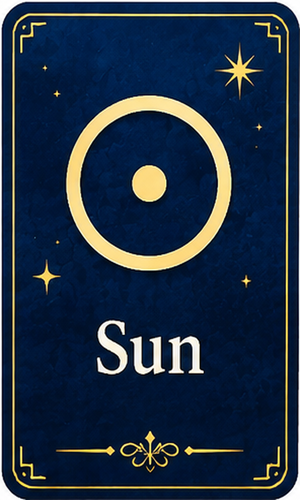
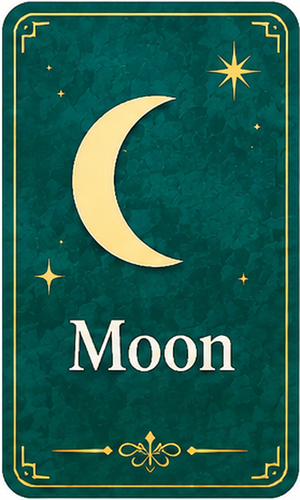
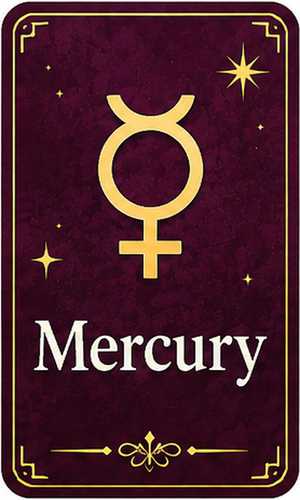
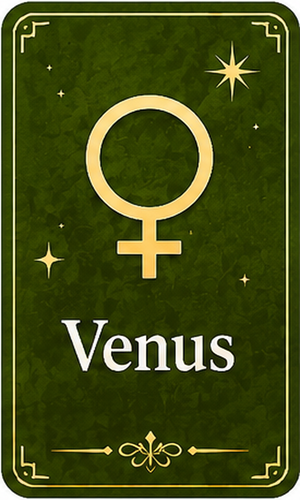
The Sun, Moon, Mercury, Venus, and Mars are often referred to as the personal planets because they have the most direct influence on everyday personality and behavior. The Sun represents identity and life purpose, while the Moon governs emotions, instincts, and inner needs. Mercury influences communication and thinking, Venus relates to love and attraction, and Mars symbolizes action, drive, courage, and desire.
These planets help explain how individuals think, feel, communicate, love, and pursue their goals throughout life.
The Social and Outer Planets
Jupiter and Saturn are known as the social planets because they connect personal development with society, growth, responsibility, and achievement. Jupiter expands horizons through learning, opportunity, wisdom, and abundance, while Saturn teaches discipline, structure, commitment, and long-term success.
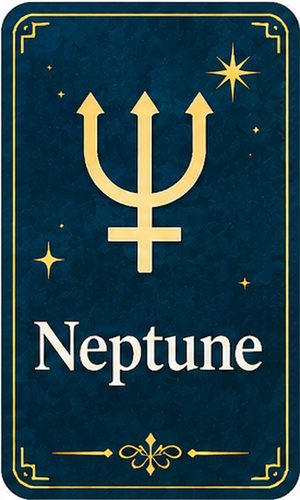
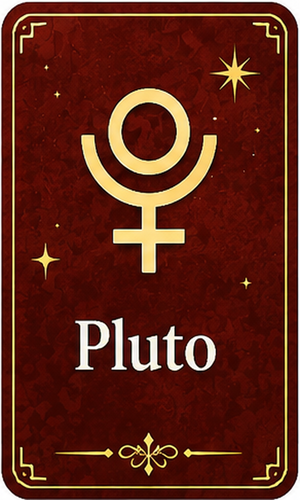
Uranus, Neptune, and Pluto are often called the outer or transpersonal planets. Uranus represents innovation, freedom, and sudden change. Neptune governs imagination, intuition, spirituality, dreams, and compassion. Pluto symbolizes transformation, empowerment, regeneration, and profound personal evolution.
Why Planetary Meanings Matter
Understanding planetary symbolism provides a foundation for interpreting any horoscope. By studying the planets, astrologers gain insight into how different energies interact within the chart and influence relationships, career choices, emotional patterns, personal development, and spiritual growth.
Whether you are a beginner exploring astrology or an experienced student deepening your understanding of chart interpretation, learning the meaning of the planets is essential to unlocking the deeper wisdom contained within a natal chart.
Explore Astrology Planet Meanings
Browse our collection of astrology planet interpretations below to discover the symbolism, psychological influences, strengths, challenges, relationship themes, career implications, and spiritual lessons associated with each planet. Together, these planetary archetypes form the language through which astrology describes the human experience.