
category: Astrology Encyclopedia

Transit Uranus Sextile Natal Uranus

Definition

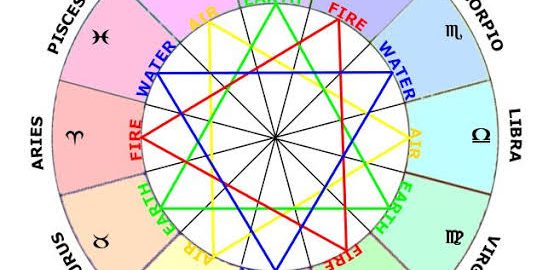
Transit Uranus sextile natal Uranus occurs when Uranus in the current sky forms a 60-degree angle to Uranus’s position in a person’s birth chart. Transiting Uranus describes present pressures toward change, experimentation, and greater freedom, while natal Uranus shows an individual’s underlying relationship with independence, disruption, originality, and awakening. The sextile is generally considered a cooperative aspect that creates openings rather than forcing events.

Astrological Meaning

This transit may coincide with a period when constructive change feels more accessible. New technology, unconventional ideas, different communities, or altered routines can provide useful paths forward. Because Uranus moves slowly, the aspect often remains active for an extended period and may perfect several times due to retrograde motion. Its expression depends on the natal house occupied by Uranus, the house through which transiting Uranus is moving, and any additional aspects to personal planets or chart angles.

Why It Matters

Astrologers often study this transit as a generational turning point that can help a person update long-standing patterns without necessarily abandoning everything familiar. It may support calculated experimentation, renewed curiosity, and a more authentic approach to autonomy. The sextile usually requires participation: opportunities can be overlooked if change is resisted or merely awaited. Examining the relevant houses and the wider transit picture helps identify where flexibility, invention, or a fresh perspective may be most productive.


Related Encyclopedia Entries

Neptune Conjunct Pluto in Synastry

Definition

Neptune conjunct Pluto in synastry occurs when one person’s Neptune occupies nearly the same zodiac degree as the other person’s Pluto. A conjunction blends planetary themes: Neptune represents imagination, spirituality, ideals, compassion, and blurred boundaries, while Pluto symbolizes intensity, power, exposure, transformation, and regeneration. Because both planets move slowly, this contact is common among people born within certain generations.

Astrological Meaning

The Neptune person may soften, idealize, or spiritualize the Pluto person’s drive for depth and change. The Pluto person may intensify Neptune’s dreams, sensitivities, or longing for transcendence. Together, the pair can feel drawn toward psychological, creative, mystical, or socially transformative subjects. Less constructively, unclear motives, projection, secrecy, or subtle control can complicate the bond. The aspect alone does not establish romantic compatibility. Its personal significance increases when the conjunction closely contacts either person’s Sun, Moon, Ascendant, Midheaven, Venus, Mars, chart ruler, or sensitive house cusps.

Why It Matters

This conjunction helps identify where shared ideals may meet deep emotional or cultural forces. Since it is often generational, astrologers usually interpret its house placement, exact orb, and connections with faster-moving planets before assigning it substantial relationship weight. Honest communication and clear boundaries can help the pair use its imaginative and transformative potential without confusing intensity with certainty. The wider synastry chart—including personal-planet contacts, Saturn links, and supportive aspects—shows how readily this background influence becomes part of everyday relating.

Related Encyclopedia Entries